Generated Blog HTML
There is a version of the Romania story told entirely in yields and price-per-square-metre. It is a good story — some of the strongest rental returns in the European Union, and entry prices well below Warsaw or Prague. But it is rarely the reason buyers say they made the right decision.
The real draw is harder to put in a spreadsheet: a capital that feels genuinely alive, mountains and medieval towns within two hours of home, and a coastline that still empties out enough to feel like your own. Romania is one of the most varied countries in the EU — and, from Bucharest, most of it is a half-day trip.
A capital that keeps up with you
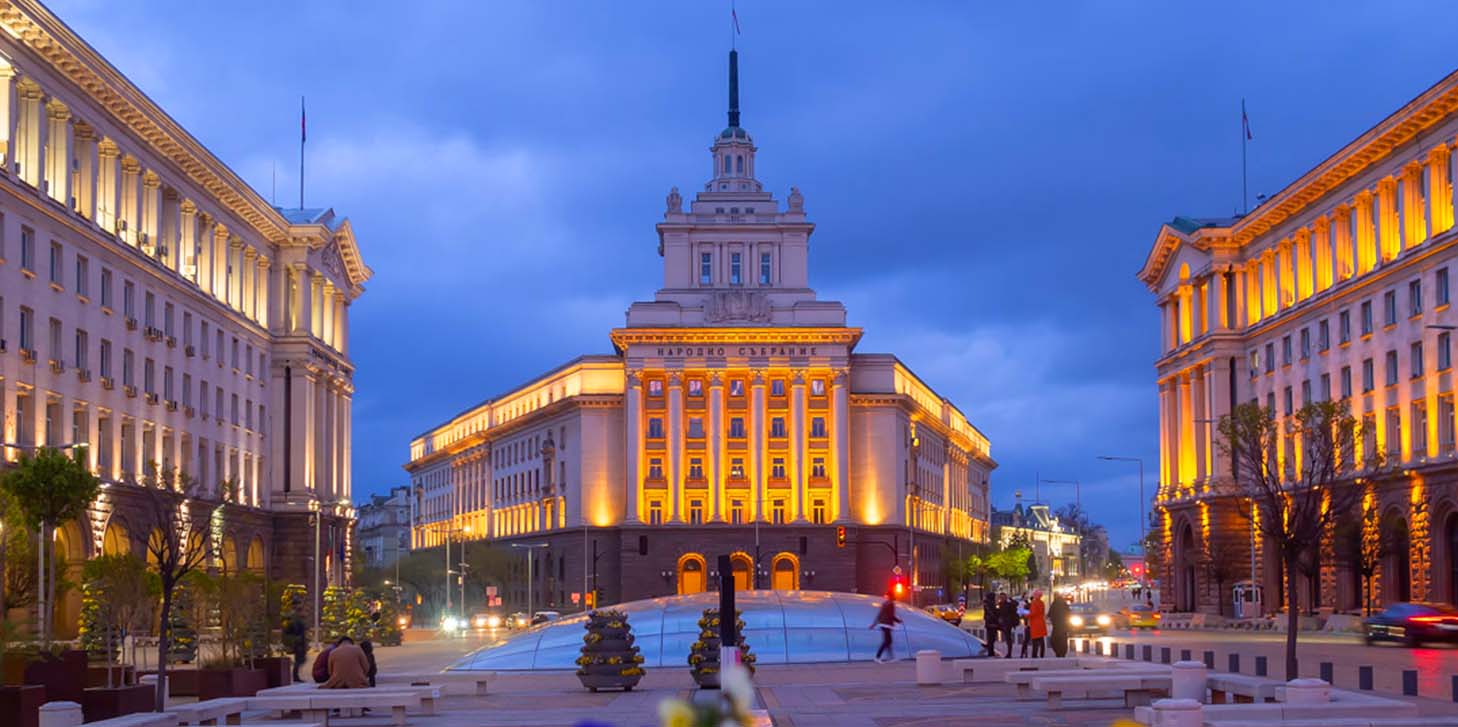
Bucharest has shed its old reputation. The northern suburbs — Floreasca, Herăstrău, Dorobanți, and the Pipera corridor — have become the natural landing point for relocating families and professionals, offering modern apartment stock, an English-speaking café culture, and a growing bench of English-medium schools, including the American International School of Bucharest and the Cambridge-curriculum International School of Bucharest in Sector 3.
Romania has been an EU member since 2007, which gives Bucharest residents Schengen-area free movement, an EU residency pathway, and a legal framework considerably more straightforward than comparable cities outside the bloc. A thriving tech sector, a dedicated digital nomad visa, and some of the fastest internet in Europe have made the capital a genuine base for remote-first professionals — not just a stopover on the way somewhere else.
It remains, by Western European standards, remarkably affordable. A comfortable family budget in Bucharest runs to a fraction of the equivalent lifestyle in Paris or Amsterdam — without giving up a serious dining scene, a lively arts calendar, or late nights out.
Mountains and coastline, both within reach
Most European capitals offer one lifestyle. Bucharest offers several, and the distances between them are short.
Two hours north, the Carpathians take over. Brașov sits at the foot of the mountains, its medieval centre a genuine working town rather than a museum piece, with Bran Castle and the ski resorts of Sinaia and Poiana Brașov within easy reach. The recent completion of Ghimbav International Airport has shortened the journey further and is driving fresh demand for short-term rentals in the historic centre — buyers are no longer choosing between city and mountain; increasingly, they are choosing both.
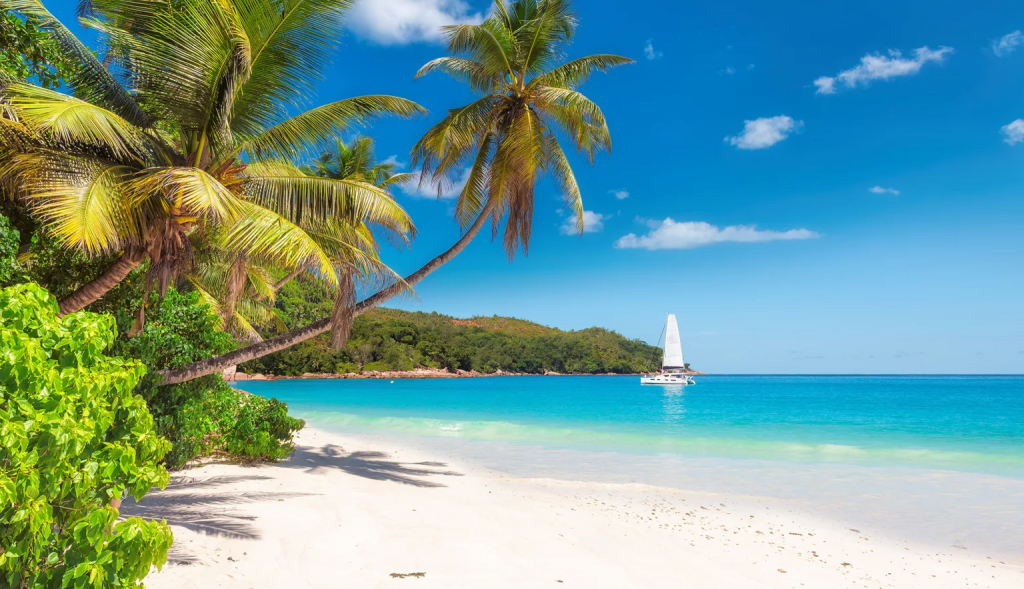
South-east, the Black Sea coast runs some 244 kilometres from Constanța — Romania's second city and its largest port — north to the resort town of Mamaia, known for its sandy beaches, upscale hotels, and a season that runs long into September. It is a coastline that has yet to see the crowds, or the prices, of its Adriatic and Mediterranean rivals — which is precisely why buyers are looking at it now.
A market that rewards early movers
Romania's international buyer base is still relatively young, and that shows up in the numbers as much as the lifestyle: gross rental yields of 6–8% in the main urban centres, against an EU average closer to 3–4%. Cluj-Napoca — sometimes called the Silicon Valley of Transylvania — has become the country's most expensive market on the back of tech-sector demand, a signal of where Bucharest and Brașov may be headed next.
For buyers thinking beyond the balance sheet, Romania offers something increasingly rare in Europe: a capital city with genuine energy, a mountain range and a coastline both within half a day's drive, and prices that have not yet caught up with the lifestyle on offer.
To find out more about living and investing in Romania, contact Chestertons Romania — an affiliate of Chestertons Global, delivering local expertise on the ground in Bucharest, Cluj-Napoca, Brașov, and along the Black Sea coast.
 4 min read


Login
Don't have an account? Sign Up
Sign Up
Already have an account? Log In