Property Investment
Property remains one of the most enduring ways to grow and preserve wealth, but opportunities look different depending on where you invest. Here we bring together perspectives from across the world, from the fast-growing markets of APAC to established hubs in Europe and the dynamic landscapes of the Middle East and North Africa. By exploring key regions, we highlight the considerations that matter most to global investors. Whether it’s understanding regulatory frameworks, comparing market dynamics, or identifying long-term growth trends, the focus is on providing clear insights that help guide investment decisions with confidence.

39 Articles

Last updated: October 1, 2025

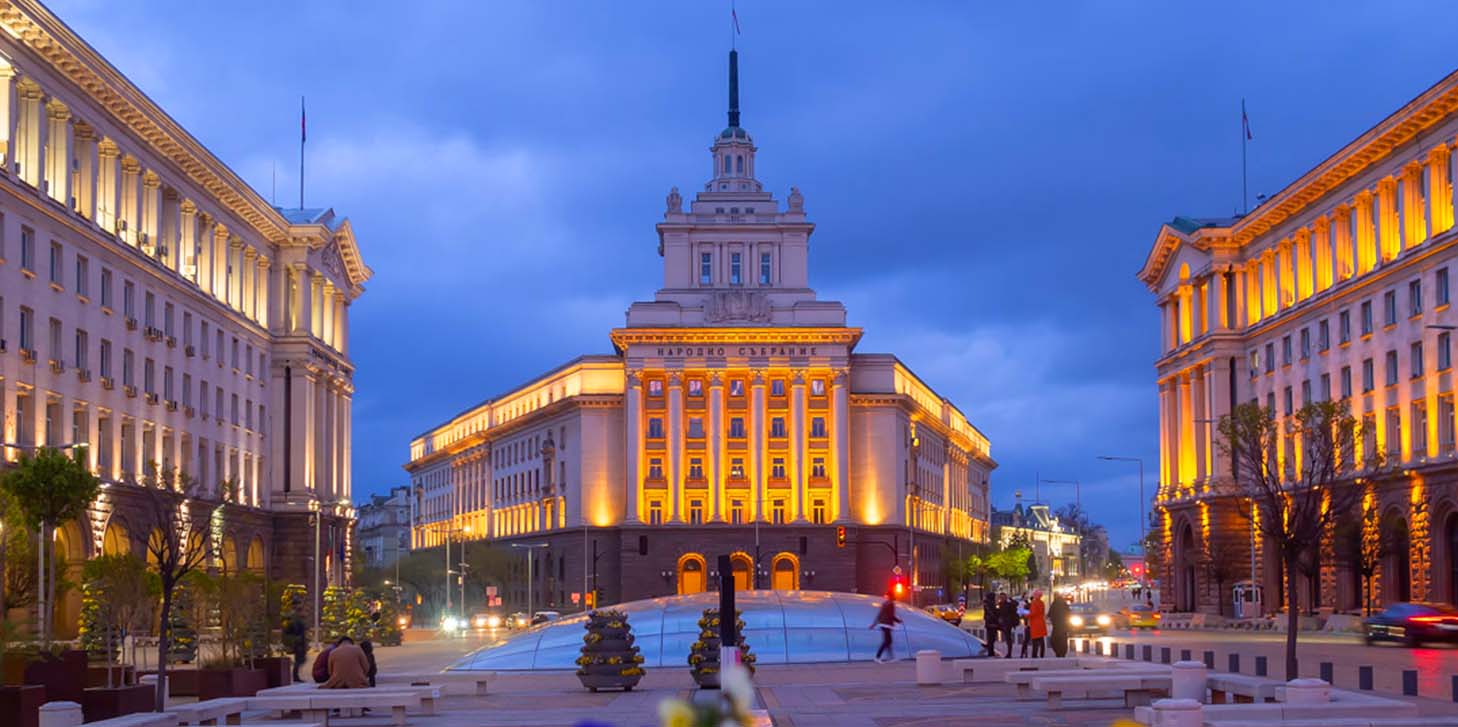
A Guide to Bulgaria's Property Market: Life Inside the Eurozone

Bulgaria began 2026 with a new currency and a new chapter. Since 1 January it has been a full member of the euro area, and a property market long associated with value-minded buyers from across Europe is now being read in a different light. For Chestertons Global, it is a market we are following closely as our European network grows.

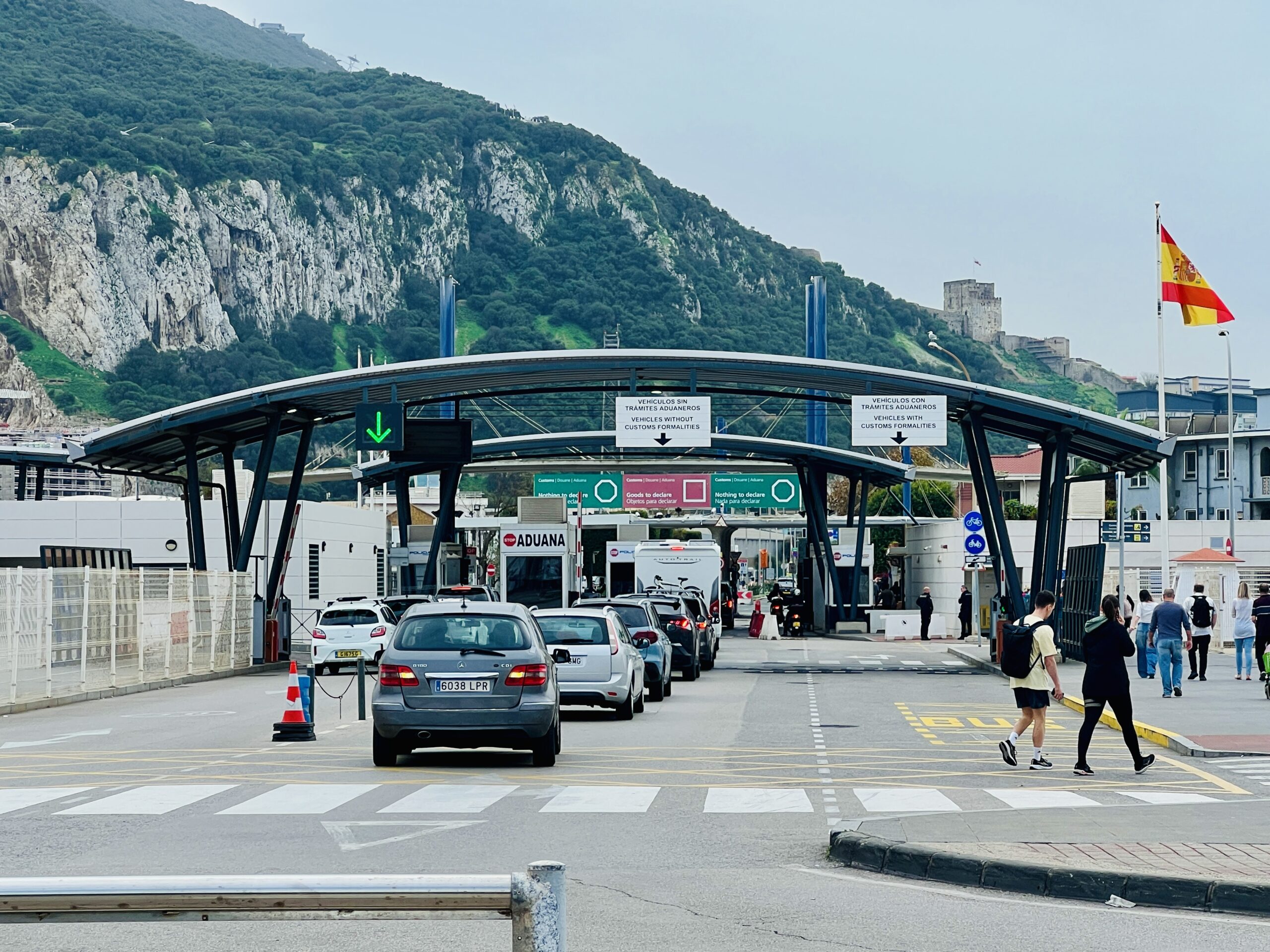
Gibraltar tightens Category 2 residency just as its border gets easier

Gibraltar has spent much of 2026 making headlines for what it is opening up: a land border with Spain that has become more seamless than at any point since Brexit. Less noticed is what it has simultaneously tightened: entry into Category 2 residency, the jurisdiction’s flagship route for high net worth individuals.Taken together, the two shifts tell an interesting story. Gibraltar has made Category 2 more exclusive at precisely the moment its Treaty with the EU has made the territory more accessible than ever.
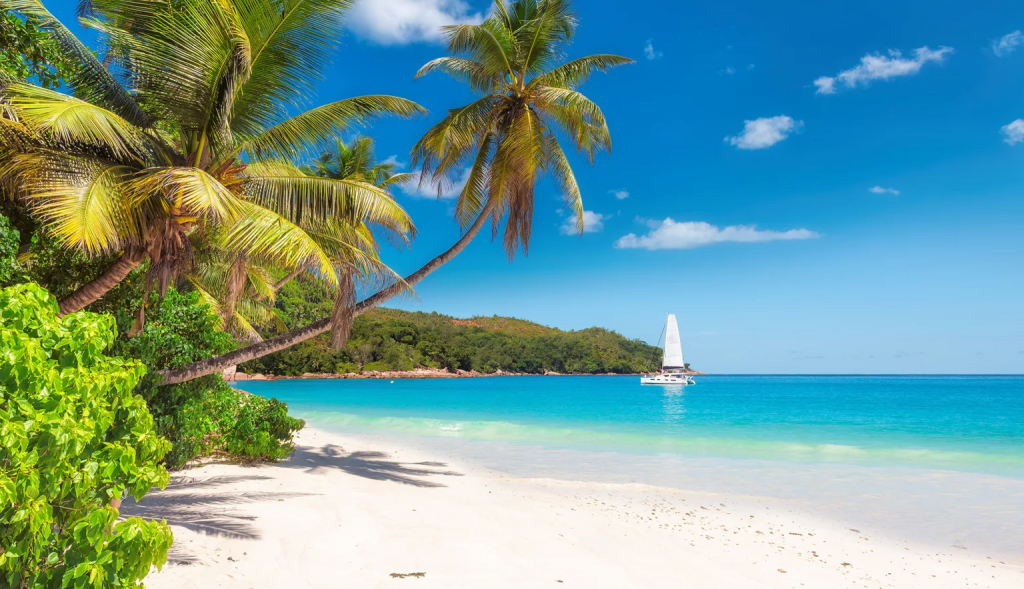
A Guide to Jamaica's Property Market: Steady Growth Behind One of the Caribbean's Best-Known Names
Jamaica needs no introduction as a global tourism brand, and its property market has grown into something equally substantial behind that reputation. Structural demand from a large diaspora, consistent rental yields and a market that has kept expanding through a genuinely difficult year all point to a market with real staying power. For Chestertons Global, it's one of the Caribbean's most established property markets and a natural fit for our growing network.
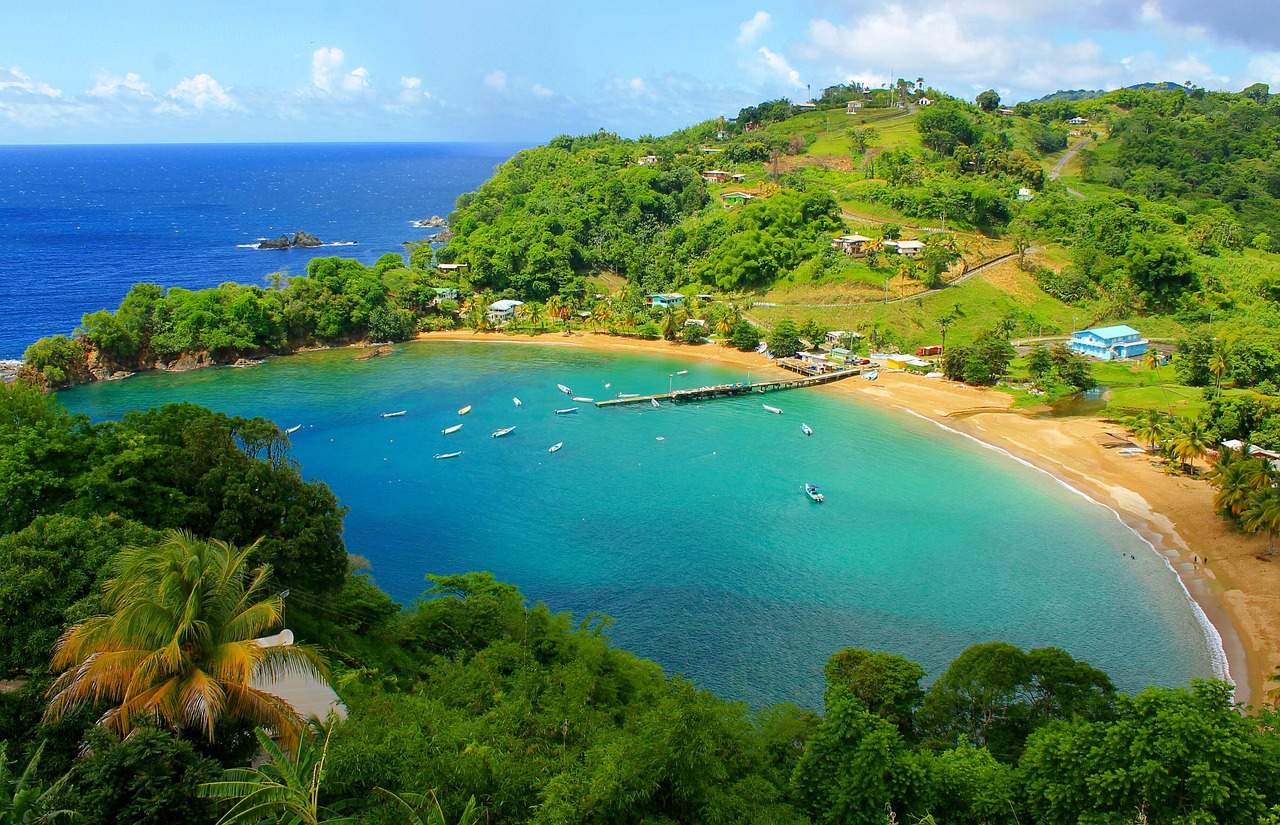
A Guide to Trinidad and Tobago's Property Market: Two Islands, Two Distinct Stories
Trinidad and Tobago offers something few Caribbean markets can: genuine economic diversification behind the property market, rather than a single tourism-led narrative. Trinidad's energy-anchored economy and Tobago's tourism and villa market give the twin-island republic two very different investment cases under one flag — and for Chestertons Global, it's a market where that distinction is worth exploring in full.
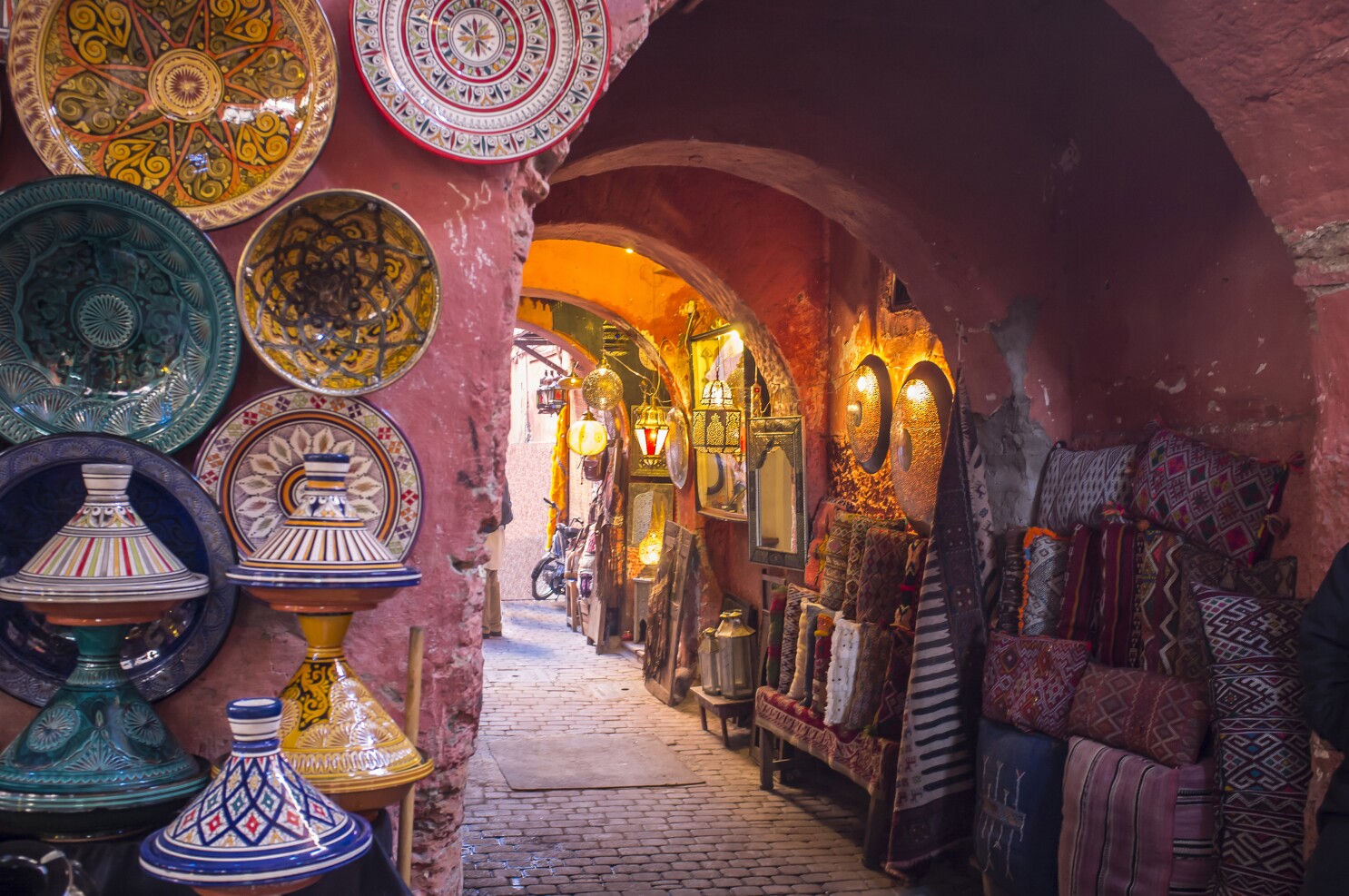
Marrakech Real Estate: Villas, Riads & Investment Opportunities
Marrakech has long drawn travellers with its ochre walls and mountain backdrop. Increasingly, it's drawing buyers too. From riads tucked into the medina to golf-course villas on the city's edge, the Red City has become one of North Africa's more closely watched real estate markets — and the reasons go beyond climate and culture.
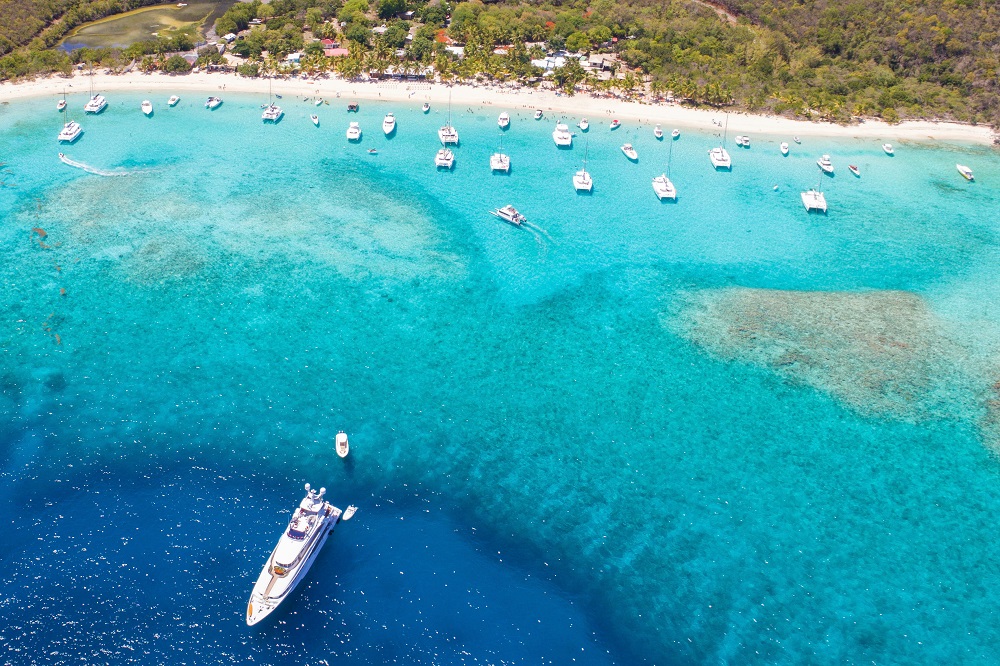
A Guide to the British Overseas Territories Property Market
Not every Caribbean property market sits outside a national framework. Anguilla, the British Virgin Islands and Turks and Caicos are all British Overseas Territories — a status that brings a shared constitutional link to the United Kingdom, English common law, and a level of regulatory familiarity that international buyers consistently value. For Chestertons Global, these three territories represent a distinct and growing area of focus as our Caribbean network expands.
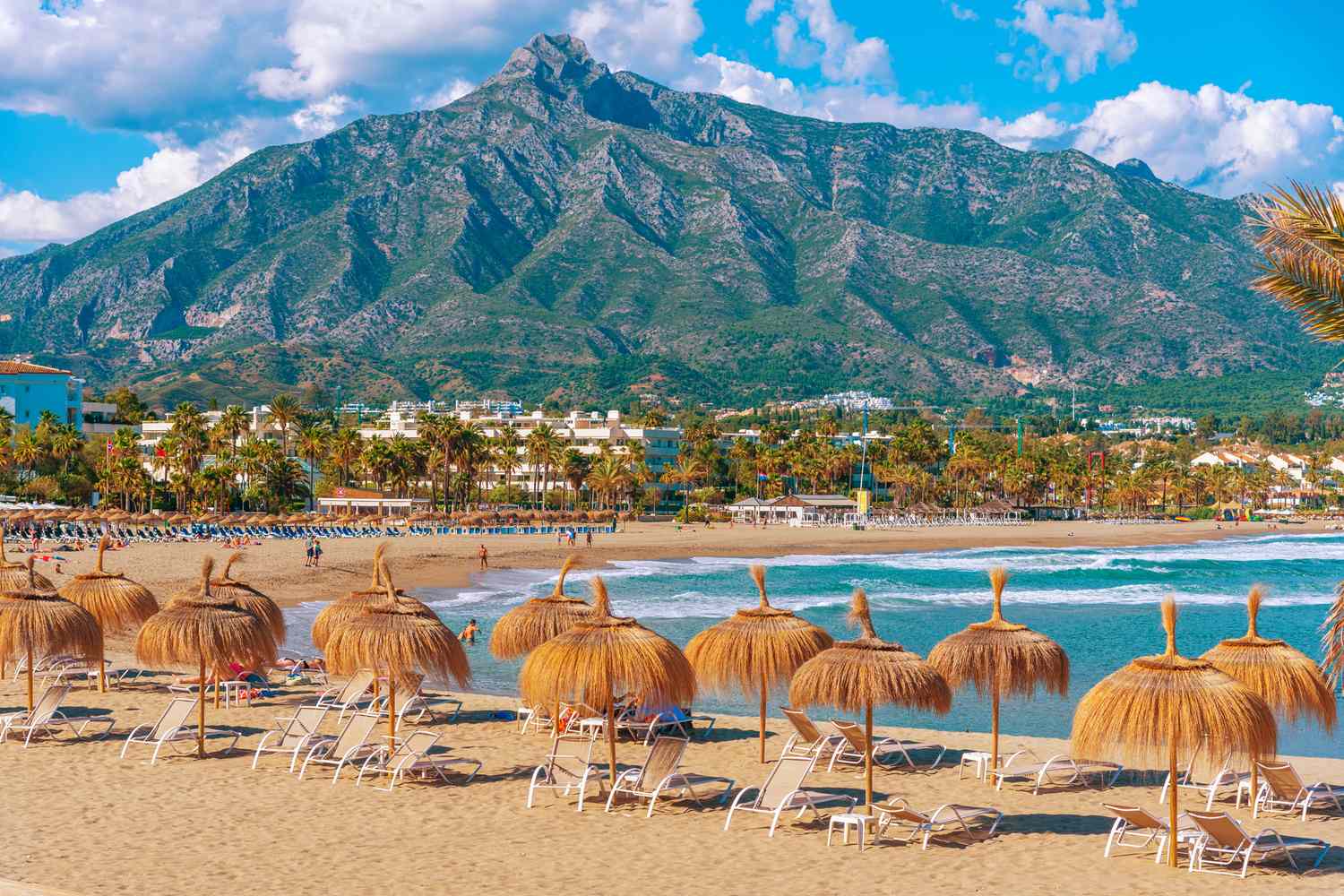
Marbella Q2 2026: inside one of Spain's most expensive markets
For Chestertons Marbella, the second quarter of 2026 confirmed what many buyers and sellers already sense on the ground: this remains one of Spain's most expensive residential markets, but the pace of growth is beginning to change.Average residential asking prices in Marbella reached €5,906 per square metre in June 2026, according to Idealista. That figure is 4.5% higher than a year earlier, but only 0.7% above the level recorded in March. The progression through the quarter was steady rather than dramatic: €5,866 per square metre in March, €5,880 in April, €5,900 in May, and €5,906 in June.
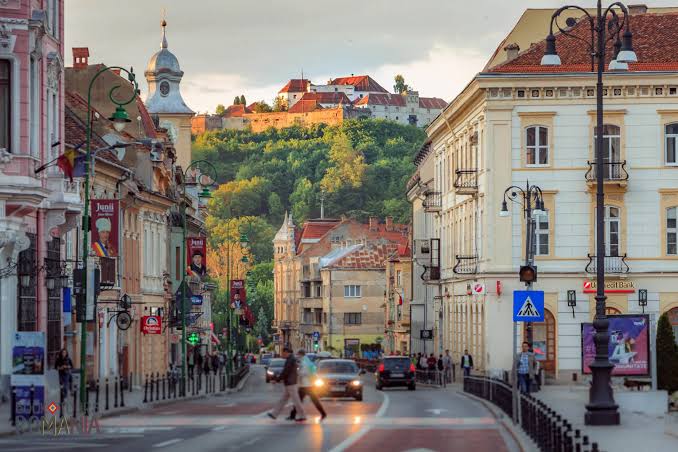
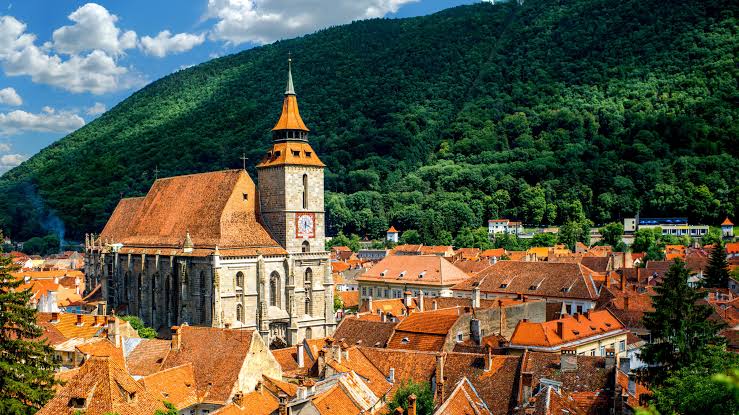
Life in Romania: What Buyers Are Really Choosing
There is a version of the Romania story told entirely in yields and price-per-square-metre. It is a good story — some of the strongest rental returns in the European Union, and entry prices well below Warsaw or Prague. But it is rarely the reason buyers say they made the right decision.The real draw is harder to put in a spreadsheet: a capital that feels genuinely alive, mountains and medieval towns within two hours of home, and a coastline that still empties out enough to feel like your own. Romania is one of the most varied countries in the EU — and, from Bucharest, most of it is a half-day trip.
Romania's property market steadies: a Q2 2026 update from Chestertons Romania
Chestertons Romania has released its market analysis for the second quarter of 2026, and the picture is one of quiet stabilisation rather than dramatic movement in either direction. According to Costin Rusu, CMO of Chestertons Romania, national transaction volumes held broadly flat year on year, even as the monthly pattern told a more encouraging story as the quarter progressed.
frequently asked questions
Yes, foreigners can freely buy property in Portugal with no restrictions on ownership. Both EU and non-EU citizens can purchase homes, land, or commercial properties. The process is straightforward, you only need a Portuguese tax number (NIF) and a local bank account to begin your purchase.
The most popular regions for international buyers include Lisbon, the Algarve, and Porto. Lisbon attracts investors seeking high-end urban apartments, the Algarve is renowned for luxury villas and golf-side homes, and Porto offers excellent value and strong rental yields.
Buyers should budget for IMT (Property Transfer Tax) — up to 8% depending on value, Stamp Duty (0.8%), and legal fees averaging around 1% of the purchase price. There are no annual wealth or inheritance taxes on Portuguese real estate for most international buyers.
The traditional Golden Visa route via real estate ended in 2023. However, investors can still obtain Portuguese residency through fund investments, or by applying for the D7 (Passive Income) or Digital Nomad Visa, which are both accessible to property owners and long-term renters.
Portugal offers a unique mix of lifestyle appeal and financial stability. The market remains resilient with steady capital appreciation, high rental yields, and strong international demand. Combined with a stable economy, tax advantages, and world-class living standards, it continues to attract global investors.
Yes, Cristiano Ronaldo owns several luxury properties across Portugal, including a penthouse in Lisbon’s Avenida da Liberdade and a modern mansion in Cascais. His high-profile investments have drawn international attention to Portugal’s luxury real-estate market, highlighting the country’s appeal among global investors seeking prime coastal and city assets.
Yes. Foreigners can purchase property in designated freehold Investment Zones such as Amwaj Islands, Juffair, Seef, Bahrain Bay, Reef Island, and Diyar Al Muharraq.
To qualify for Bahrain’s 10-year Golden Residency Visa, investors must own property worth at least BHD 130,000 (approximately USD 345,000), subject to government regulations.
The standard property registration fee is 2% of the purchase price. A 15% discount applies if payment is made within 60 days, reducing the fee to 1.7%.
If documentation is in order, the process can typically be completed within 2 to 4 weeks, including notarisation and registration at the Survey and Land Registration Bureau.
Bahrain offers competitive entry prices compared to other GCC markets, rental yields averaging 6–8%, no personal income tax, and strong demand in key areas like Juffair and Seef — making it an attractive option for long-term investors.
Yes, foreigners can buy property in Romania. EU and EEA citizens have the same ownership rights as Romanian nationals and can purchase both buildings and land directly. Non-EU citizens can freely buy apartments or houses but must establish a Romanian company (SRL) if they wish to acquire land.
Romania remains one of the most attractive property markets in Central and Eastern Europe due to competitive entry prices and strong rental yields. Major cities such as Bucharest, Cluj-Napoca, and Brașov frequently deliver gross yields between 6% and 8%, significantly above many Western European markets.
The national average property price is approximately €1,700 per square metre, although prime districts in Bucharest and Cluj-Napoca command higher premiums. Prices vary depending on location, infrastructure development, and property type.
Typical transaction costs range between 1.5% and 3%, covering notary and registration fees. Annual property tax is generally between 0.08% and 0.2% of the municipal value. Rental income is taxed at 10%, and VAT (19%) applies to certain new-build properties.
Bucharest leads in liquidity and commercial activity, Cluj-Napoca benefits from strong tech-sector demand, and Brașov is growing rapidly due to infrastructure upgrades and tourism demand. The right choice depends on whether the strategy focuses on rental income, capital appreciation, or mixed-use investment.
Yes, foreigners can buy property in Morocco with very few restrictions. International investors are allowed to own residential and commercial real estate in their own name. The only major limitation applies to agricultural land, which is generally reserved for Moroccan nationals unless it is reclassified for urban development.
Morocco is considered one of the most promising real estate markets in North Africa. Strong tourism growth, infrastructure investment, and preparations for the 2030 FIFA World Cup are driving property demand in cities like Casablanca, Marrakech, Rabat, and Tangier.
The most popular cities for property investment in Morocco include Casablanca for business and financial activity, Marrakech for tourism and short-term rentals, Rabat for stability and government demand, and Tangier for industrial growth and port expansion.
Average gross rental yields in Morocco typically range between 7% and 8.5%, depending on the city and property type. Smaller apartments and studios in high-demand urban areas tend to generate the highest rental returns.
Property prices in Morocco vary by location and property type. Prime areas in Casablanca can reach around 20,000 MAD per square metre, while emerging areas and secondary cities offer more affordable entry points for international property investors.
Yes, Cyprus remains one of the strongest property investment destinations in Europe in 2026, offering stable price growth (2–4%), high rental yields averaging over 5%, and strong demand from international buyers.
Yes, foreigners can buy property in Cyprus. Non-EU buyers are typically allowed to purchase up to two properties and can also qualify for permanent residency through property investment.
The top areas include Limassol for high rental returns, Larnaca for rapid growth and affordability, and Paphos for lifestyle living and residency-focused investments.
To obtain permanent residency in Cyprus, investors must purchase a new residential property worth at least €300,000 (plus VAT).
Rental yields in Cyprus average around 5%–7%, with prime areas in Limassol reaching up to 7.8%, making it one of the most attractive markets in the Mediterranean.
Yes, Antigua remains one of the Caribbean’s strongest property markets in 2026 due to limited inventory, rising demand, and consistent price growth of around 8–12% annually. Investors benefit from a combination of capital appreciation, rental income, and a tax-friendly environment, making it a well-balanced investment destination.
Foreigners can easily buy property in Antigua. Most buyers require an Alien Landholding Licence (ALHL), which typically takes 3–6 months to process. Alternatively, investors purchasing through the Citizenship by Investment (CBI) programme can bypass this requirement and gain a second passport.
Property prices in Antigua start from around $300,000 for townhouses or entry-level homes. For those applying through the Citizenship by Investment programme, the minimum qualifying real estate investment is also $300,000 in an approved development.
Rental yields in Antigua typically range between 5% and 8% annually for well-located properties, especially beachfront villas and resort-managed residences. High-season rentals can generate significant weekly income, particularly in tourist hotspots.
The most popular areas for property investment include Jolly Harbour for strong rental demand, English Harbour and Falmouth Harbour for luxury and prestige, and Dickenson Bay and Hodges Bay for modern developments and future growth.
Yes, foreigners can freely buy property in Cannes without restrictions. France has an open real estate market, allowing non-residents to purchase apartments, villas, or investment properties. However, buyers must follow the French legal process, which includes signing contracts through a Notaire and complying with local tax regulations.
The property purchase process in Cannes is secure and structured. It begins with an accepted offer, followed by signing the Compromis de Vente. Buyers then have a 10-day cooling-off period, after which a deposit (usually 10%) is paid. The Notaire conducts due diligence, and final completion typically takes around three months.
Property prices in Cannes vary depending on location and property type. Prime areas like La Croisette or Californie can reach up to €40,000 per square metre, while more affordable areas such as Le Cannet offer lower entry points. Luxury villas and sea-view apartments command premium prices due to strong international demand.
Cannes is considered a strong “safe-haven” real estate market with consistent international demand. The city hosts major global events year-round, such as film festivals and business conferences, which support high rental yields and long-term capital appreciation. This makes it attractive for both lifestyle buyers and investors.
Buyers should budget for registration fees (around 5.8% for older properties), Notaire fees (1–1.5%), and agent commissions (typically included in the price). Annual costs include property tax (Taxe Foncière), and non-residents may also be subject to wealth tax if their real estate assets exceed €1.3 million.
Popular in Property Investment