Market Insights
Explore in-depth market trends, data-driven insights, and expert analysis on global and regional property investment. Stay informed about infrastructure projects, emerging locations, and factors influencing real estate performance worldwide.

36 Articles

Last updated: October 10, 2025

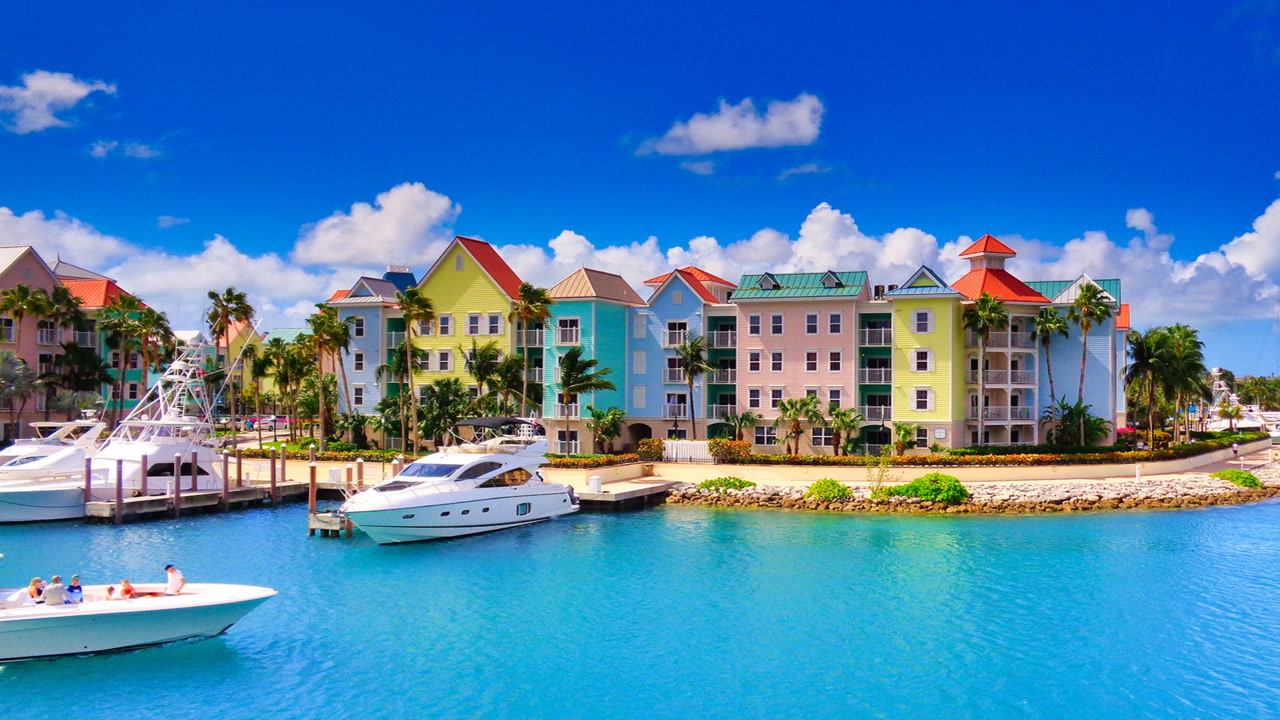
A Guide to the Bahamas Property Market: What's Behind Its Enduring Appeal

Few Caribbean markets carry the name recognition of the Bahamas, and the fundamentals behind that reputation remain firmly intact. A record tourism year, tightening inventory in prime locations and a tax structure that continues to draw international capital have kept the archipelago near the top of the list for buyers considering the region. For Chestertons Global, it's a market that sits naturally alongside our growing Caribbean network.

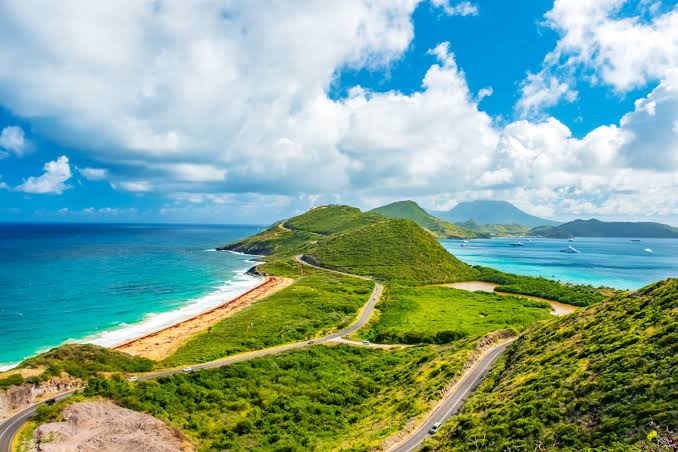
A Guide to the Eastern Caribbean Property Market: St Kitts and Nevis and Dominica in Focus
St Kitts and Nevis and Dominica sit close together in the Leeward Islands, and both have built something the wider Caribbean has come to look to as a benchmark: a long-established, government-run Citizenship by Investment programme built substantially around real estate. For Chestertons Global, the pairing offers a genuinely useful lens on the region — two markets with a shared investment mechanism, but very different buyer propositions.
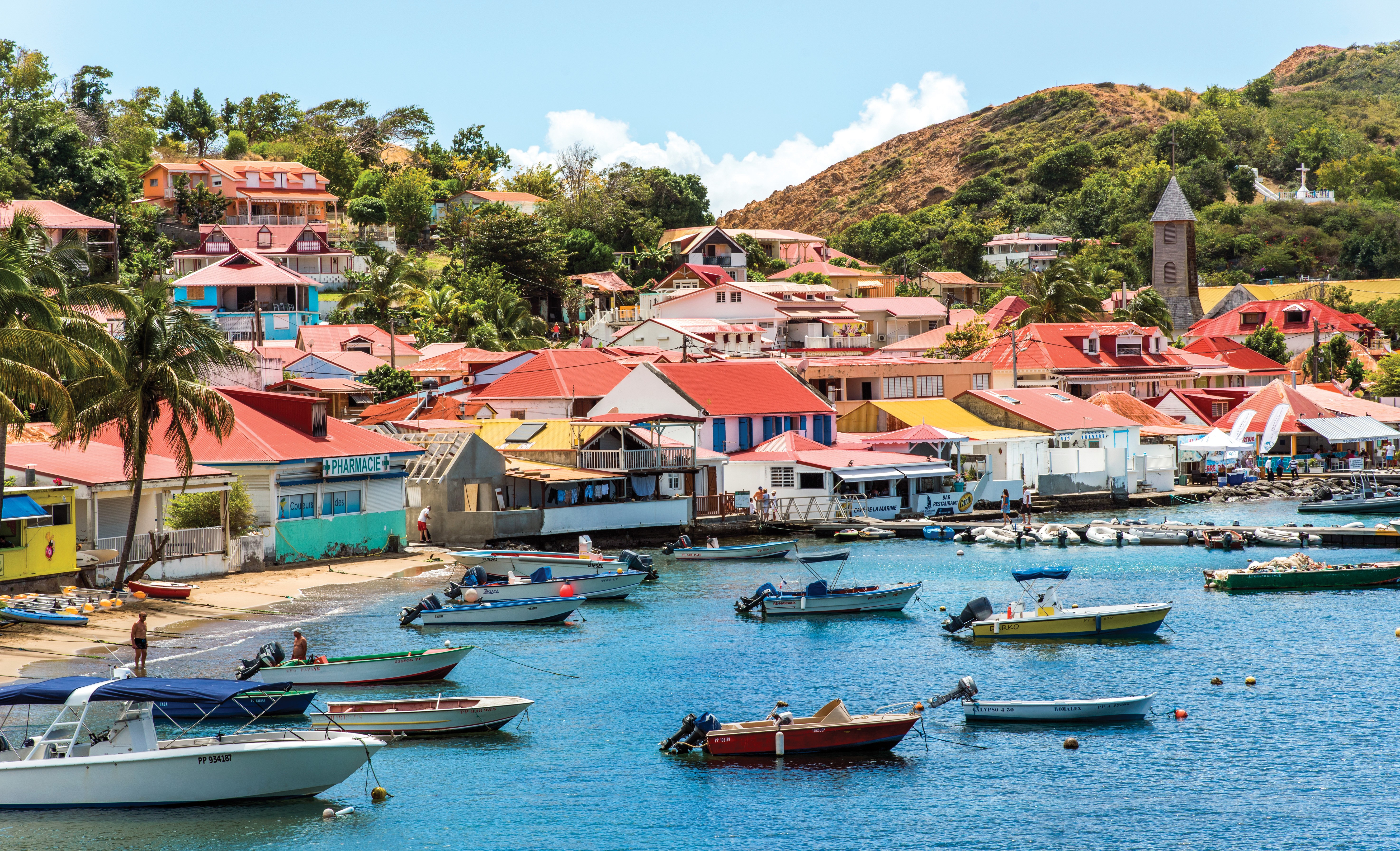
A Guide to the French Caribbean Property Market: Martinique and Guadeloupe in Focus
Not every Caribbean property market operates outside a national framework, and that distinction is central to what makes Martinique and Guadeloupe stand apart. Both are overseas departments of France, and by extension, of the European Union — a status that brings a level of institutional stability few island markets in the region can offer. For Chestertons Global, the French Caribbean is a natural area of focus as we grow our presence across the wider region.

A Guide to Bulgaria's Property Market: Life Inside the Eurozone
Bulgaria began 2026 with a new currency and a new chapter. Since 1 January it has been a full member of the euro area, and a property market long associated with value-minded buyers from across Europe is now being read in a different light. For Chestertons Global, it is a market we are following closely as our European network grows.
A Guide to Jamaica's Property Market: Steady Growth Behind One of the Caribbean's Best-Known Names
Jamaica needs no introduction as a global tourism brand, and its property market has grown into something equally substantial behind that reputation. Structural demand from a large diaspora, consistent rental yields and a market that has kept expanding through a genuinely difficult year all point to a market with real staying power. For Chestertons Global, it's one of the Caribbean's most established property markets and a natural fit for our growing network.
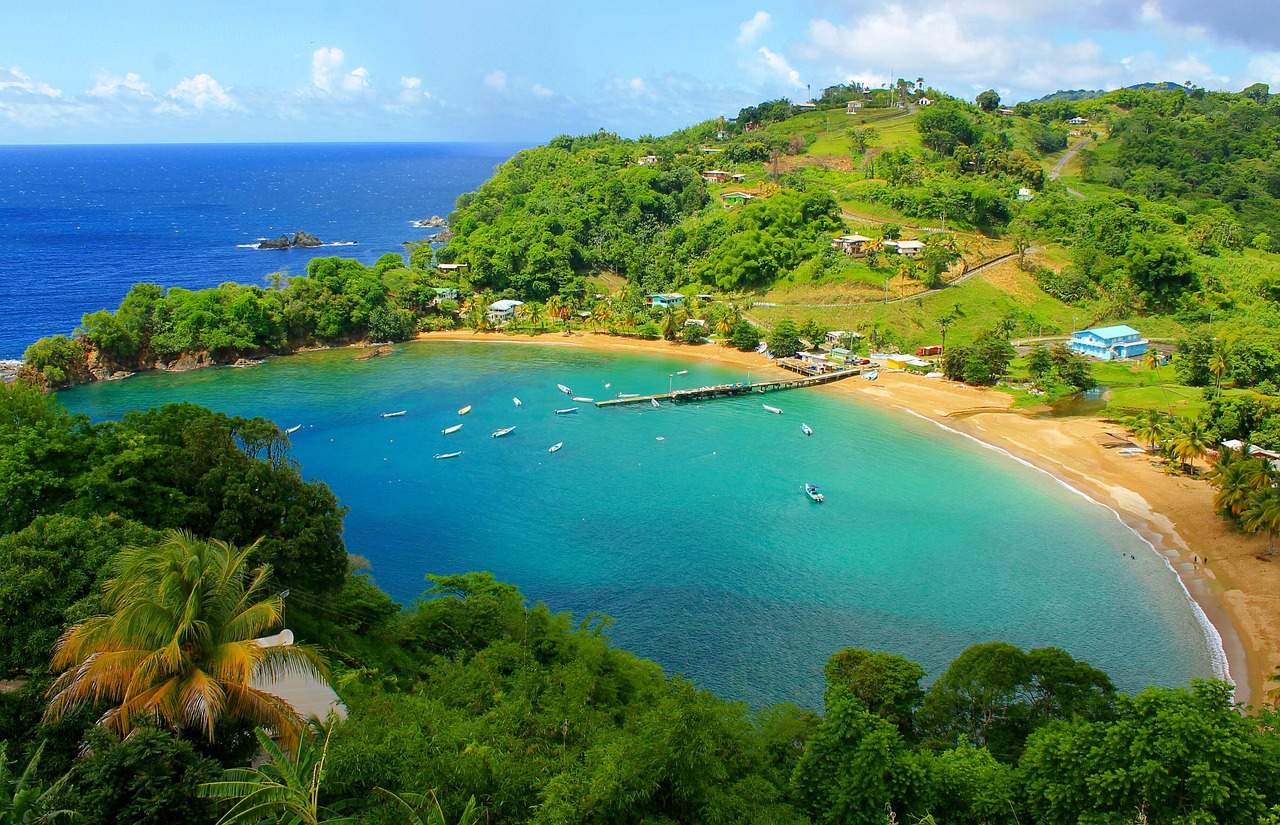
A Guide to Trinidad and Tobago's Property Market: Two Islands, Two Distinct Stories
Trinidad and Tobago offers something few Caribbean markets can: genuine economic diversification behind the property market, rather than a single tourism-led narrative. Trinidad's energy-anchored economy and Tobago's tourism and villa market give the twin-island republic two very different investment cases under one flag — and for Chestertons Global, it's a market where that distinction is worth exploring in full.
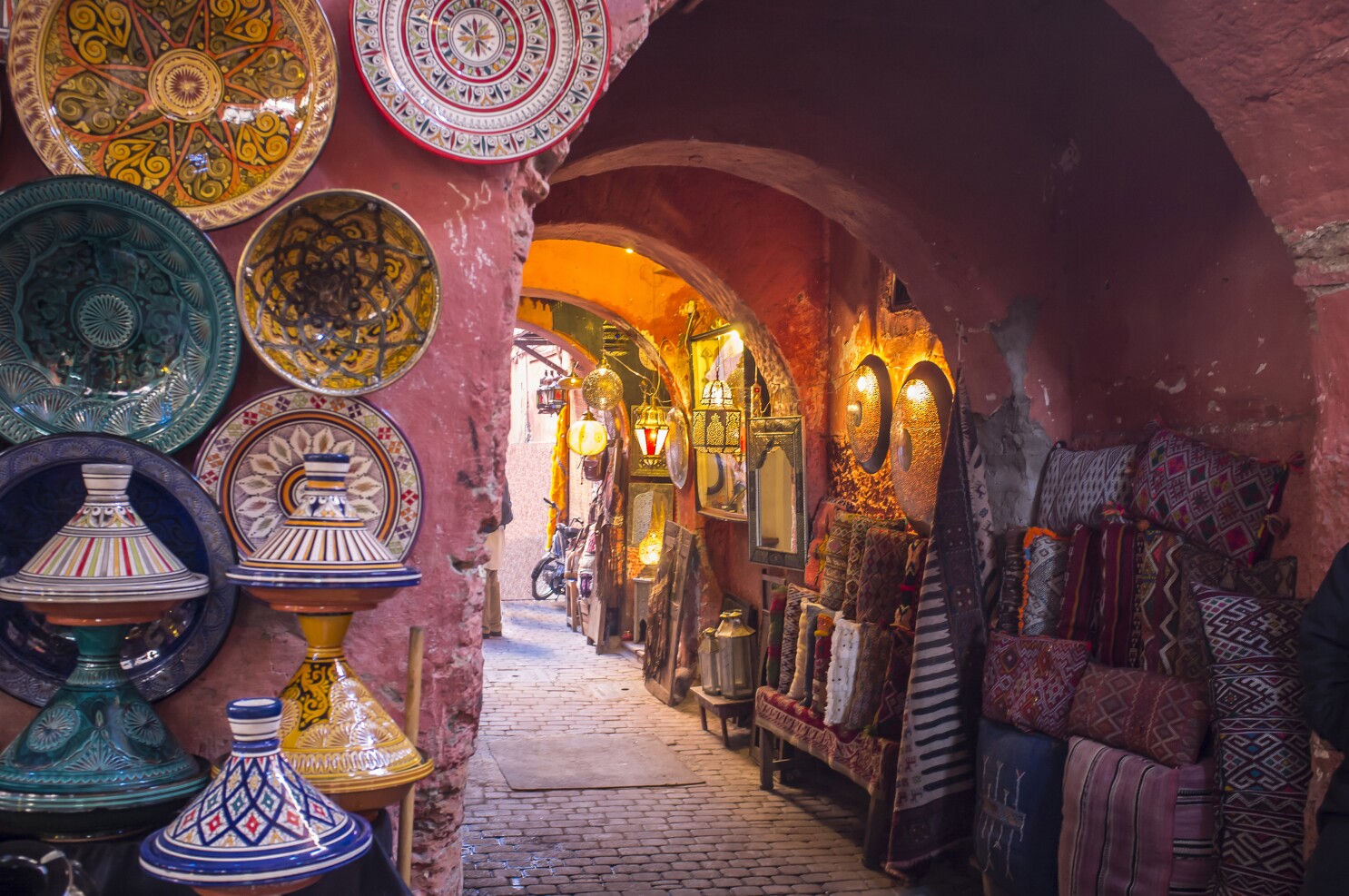
Marrakech Real Estate: Villas, Riads & Investment Opportunities
Marrakech has long drawn travellers with its ochre walls and mountain backdrop. Increasingly, it's drawing buyers too. From riads tucked into the medina to golf-course villas on the city's edge, the Red City has become one of North Africa's more closely watched real estate markets — and the reasons go beyond climate and culture.
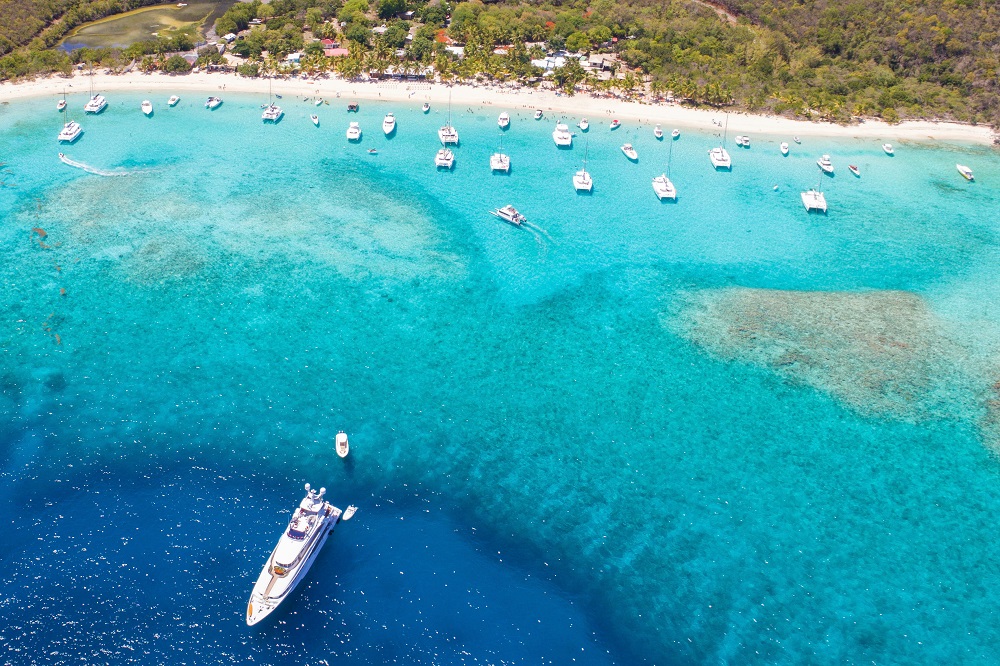
A Guide to the British Overseas Territories Property Market
Not every Caribbean property market sits outside a national framework. Anguilla, the British Virgin Islands and Turks and Caicos are all British Overseas Territories — a status that brings a shared constitutional link to the United Kingdom, English common law, and a level of regulatory familiarity that international buyers consistently value. For Chestertons Global, these three territories represent a distinct and growing area of focus as our Caribbean network expands.
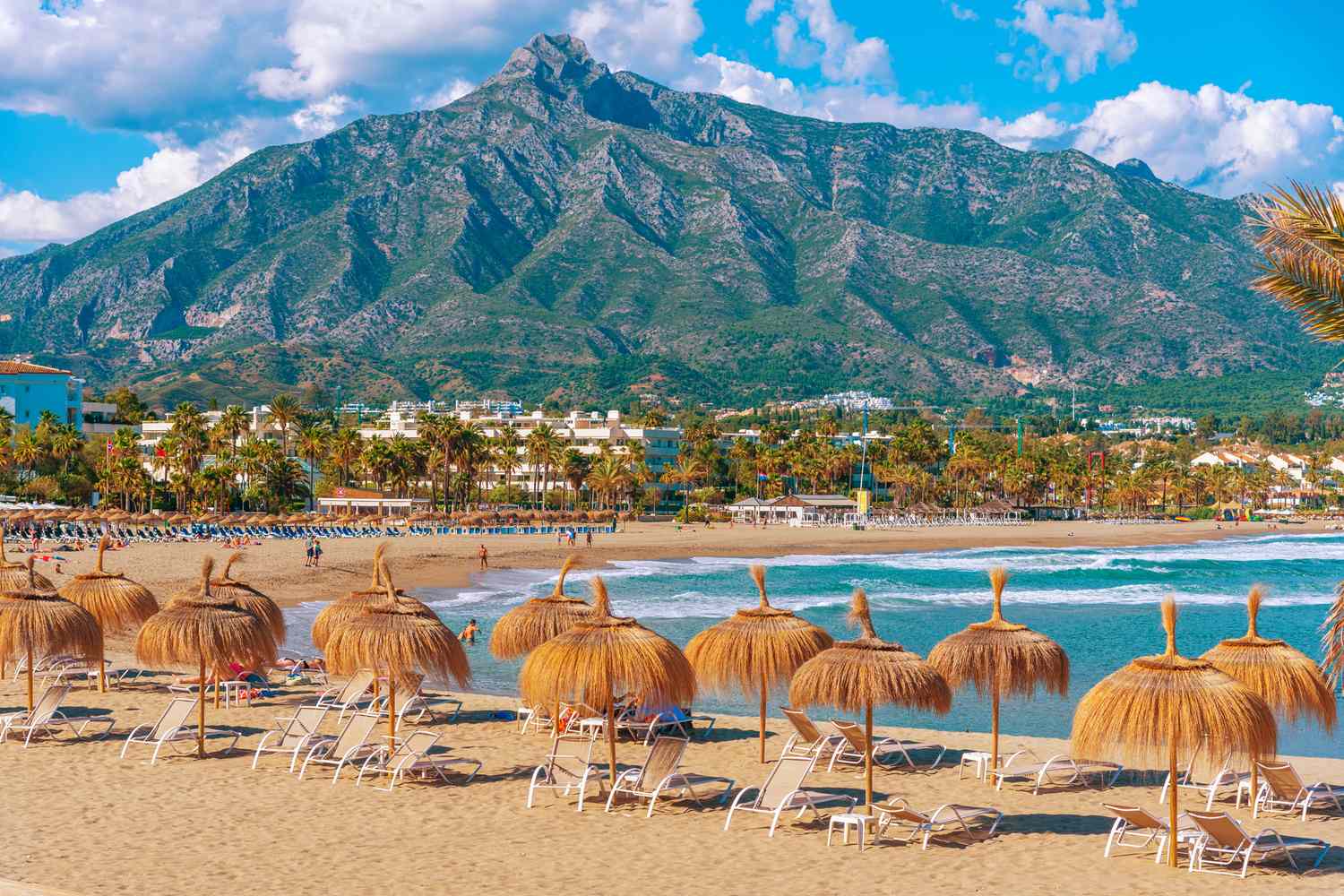
Marbella Q2 2026: inside one of Spain's most expensive markets
For Chestertons Marbella, the second quarter of 2026 confirmed what many buyers and sellers already sense on the ground: this remains one of Spain's most expensive residential markets, but the pace of growth is beginning to change.Average residential asking prices in Marbella reached €5,906 per square metre in June 2026, according to Idealista. That figure is 4.5% higher than a year earlier, but only 0.7% above the level recorded in March. The progression through the quarter was steady rather than dramatic: €5,866 per square metre in March, €5,880 in April, €5,900 in May, and €5,906 in June.
frequently asked questions
Yes. Foreigners can purchase property in designated freehold Investment Zones such as Amwaj Islands, Juffair, Seef, Bahrain Bay, Reef Island, and Diyar Al Muharraq.
To qualify for Bahrain’s 10-year Golden Residency Visa, investors must own property worth at least BHD 130,000 (approximately USD 345,000), subject to government regulations.
The standard property registration fee is 2% of the purchase price. A 15% discount applies if payment is made within 60 days, reducing the fee to 1.7%.
If documentation is in order, the process can typically be completed within 2 to 4 weeks, including notarisation and registration at the Survey and Land Registration Bureau.
Bahrain offers competitive entry prices compared to other GCC markets, rental yields averaging 6–8%, no personal income tax, and strong demand in key areas like Juffair and Seef — making it an attractive option for long-term investors.
Yes, foreigners can buy property in Romania. EU and EEA citizens have the same ownership rights as Romanian nationals and can purchase both buildings and land directly. Non-EU citizens can freely buy apartments or houses but must establish a Romanian company (SRL) if they wish to acquire land.
Romania remains one of the most attractive property markets in Central and Eastern Europe due to competitive entry prices and strong rental yields. Major cities such as Bucharest, Cluj-Napoca, and Brașov frequently deliver gross yields between 6% and 8%, significantly above many Western European markets.
The national average property price is approximately €1,700 per square metre, although prime districts in Bucharest and Cluj-Napoca command higher premiums. Prices vary depending on location, infrastructure development, and property type.
Typical transaction costs range between 1.5% and 3%, covering notary and registration fees. Annual property tax is generally between 0.08% and 0.2% of the municipal value. Rental income is taxed at 10%, and VAT (19%) applies to certain new-build properties.
Bucharest leads in liquidity and commercial activity, Cluj-Napoca benefits from strong tech-sector demand, and Brașov is growing rapidly due to infrastructure upgrades and tourism demand. The right choice depends on whether the strategy focuses on rental income, capital appreciation, or mixed-use investment.
Yes, foreigners can buy property in Morocco with very few restrictions. International investors are allowed to own residential and commercial real estate in their own name. The only major limitation applies to agricultural land, which is generally reserved for Moroccan nationals unless it is reclassified for urban development.
Morocco is considered one of the most promising real estate markets in North Africa. Strong tourism growth, infrastructure investment, and preparations for the 2030 FIFA World Cup are driving property demand in cities like Casablanca, Marrakech, Rabat, and Tangier.
The most popular cities for property investment in Morocco include Casablanca for business and financial activity, Marrakech for tourism and short-term rentals, Rabat for stability and government demand, and Tangier for industrial growth and port expansion.
Average gross rental yields in Morocco typically range between 7% and 8.5%, depending on the city and property type. Smaller apartments and studios in high-demand urban areas tend to generate the highest rental returns.
Property prices in Morocco vary by location and property type. Prime areas in Casablanca can reach around 20,000 MAD per square metre, while emerging areas and secondary cities offer more affordable entry points for international property investors.
Yes, Cyprus remains one of the strongest property investment destinations in Europe in 2026, offering stable price growth (2–4%), high rental yields averaging over 5%, and strong demand from international buyers.
Yes, foreigners can buy property in Cyprus. Non-EU buyers are typically allowed to purchase up to two properties and can also qualify for permanent residency through property investment.
The top areas include Limassol for high rental returns, Larnaca for rapid growth and affordability, and Paphos for lifestyle living and residency-focused investments.
To obtain permanent residency in Cyprus, investors must purchase a new residential property worth at least €300,000 (plus VAT).
Rental yields in Cyprus average around 5%–7%, with prime areas in Limassol reaching up to 7.8%, making it one of the most attractive markets in the Mediterranean.
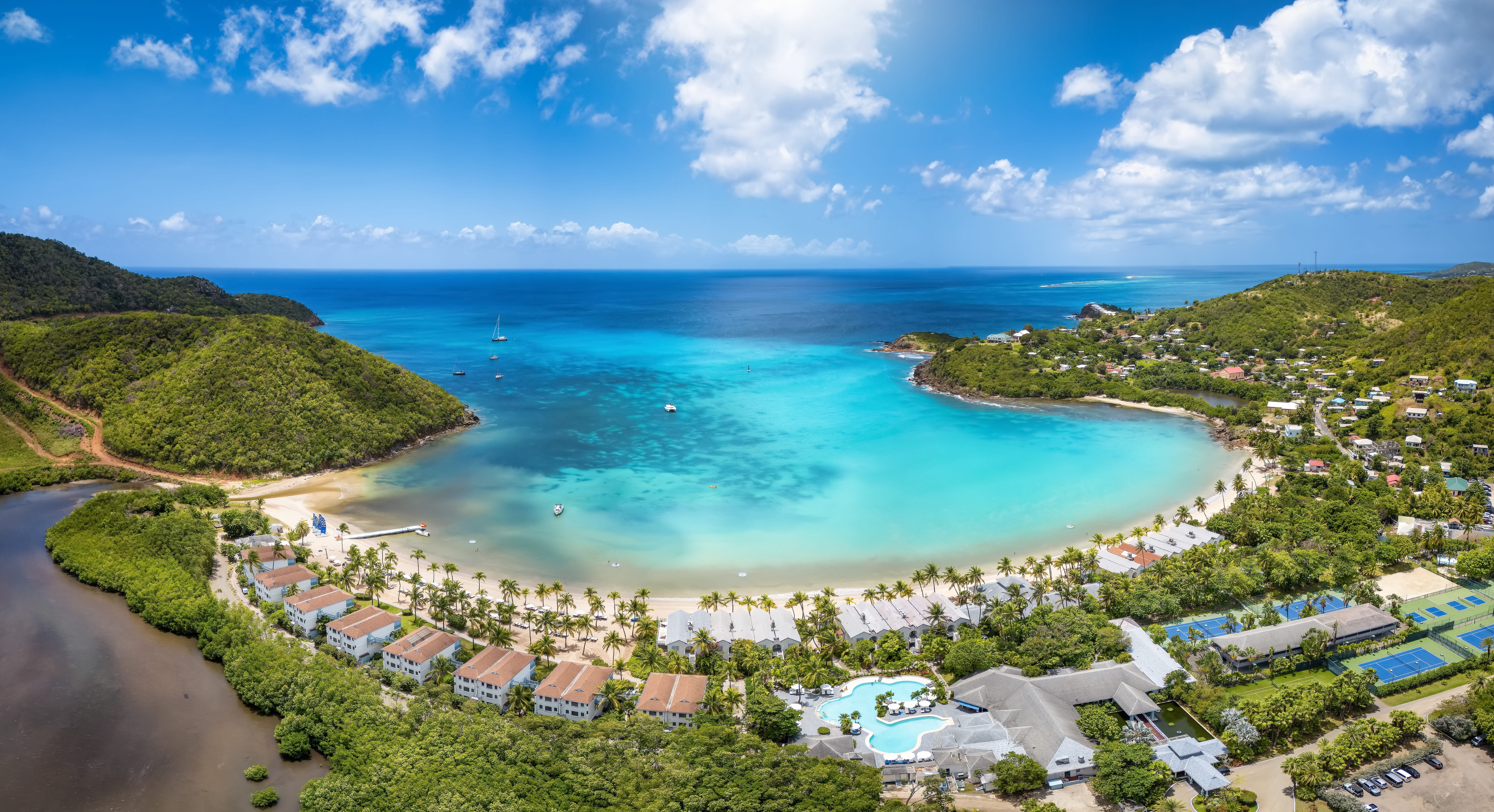
Yes, Antigua remains one of the Caribbean’s strongest property markets in 2026 due to limited inventory, rising demand, and consistent price growth of around 8–12% annually. Investors benefit from a combination of capital appreciation, rental income, and a tax-friendly environment, making it a well-balanced investment destination.
Foreigners can easily buy property in Antigua. Most buyers require an Alien Landholding Licence (ALHL), which typically takes 3–6 months to process. Alternatively, investors purchasing through the Citizenship by Investment (CBI) programme can bypass this requirement and gain a second passport.
Property prices in Antigua start from around $300,000 for townhouses or entry-level homes. For those applying through the Citizenship by Investment programme, the minimum qualifying real estate investment is also $300,000 in an approved development.
Rental yields in Antigua typically range between 5% and 8% annually for well-located properties, especially beachfront villas and resort-managed residences. High-season rentals can generate significant weekly income, particularly in tourist hotspots.
The most popular areas for property investment include Jolly Harbour for strong rental demand, English Harbour and Falmouth Harbour for luxury and prestige, and Dickenson Bay and Hodges Bay for modern developments and future growth.
There are no restrictions on foreign ownership, so non-nationals may buy land, villas and condos. Foreign buyers must obtain Central Bank of Barbados permission, which is the formal step for registering incoming foreign currency. Confirm current requirements with a local lawyer before you commit.
The West Coast (St. James and St. Peter) is the luxury market with high liquidity. The South Coast (Christ Church) is popular for short-term holiday lets. The East Coast and inland areas suit buyers looking for privacy, value and land appreciation potential.
According to this guide, short-term rentals, especially on the West Coast, can reach 7% to 10%. Actual returns depend on the property, location, season and how it is managed, and are not guaranteed.
The guide notes there is no capital gains, inheritance or wealth tax in Barbados. Transfer taxes apply on purchase, and some investors use an offshore company to mitigate transfer taxes and simplify resale. Take advice from a tax adviser or lawyer on your own position.
Premium villas average approximately US$2.85 million, while entry-level condos and townhouses often start between US$350,000 and US$750,000, according to the guide.
Since August 2025, foreign buyers in Seoul, Gyeonggi and parts of Incheon must obtain government permission before signing the final purchase contract. Approved buyers must move in within four months and live there for at least two years, which effectively prohibits buy-to-let for new foreign residential acquisitions in those zones (Bamboo Routes). Outside them, in places such as Busan and Jeju, the older 60-day reporting system applies. Confirm current rules with a local lawyer before buying.
The guide cites acquisition tax of typically 1% to 4% for individuals and 12% for corporations buying residential housing, plus annual property tax of 0.1% to 0.5% and a Comprehensive Real Estate Holding Tax on high-value assets (Multilaw).
National net rental yields hover around 2.3% after property taxes and maintenance, and Gangnam gross yields often sit below 3% (Bamboo Routes). Seoul officetels average rental revenue yields of 4.89% to 5.5% (Chosun Biz) and are exempt from the new foreign-buyer residency permits in Seoul.
The guide highlights Yongsan, linked to the Yongsan International Business District with development phases from 2027 to 2030, Busan's Haeundae, with a projected CAGR of 4.87% through 2031 (Mordor Intelligence, 2026), and the GTX corridor towns in Gyeonggi.
Seoul apartment prices rose 18.67% in early 2026, the fastest pace in five years, with Gangnam, Seocho and Songpa up 24.7% on average (MOLIT, via Korea JoongAng Daily). Past price growth does not guarantee future performance.
The guide states there is no annual property tax, no capital gains tax and no income tax on rental income. Stamp duty is generally 7.5% of the higher of the purchase price or market value, payable on completion.
Alongside stamp duty, the guide lists legal fees of about 1% to 1.5% of the purchase price and a typical deposit of 5% to 10% held in escrow. Agency commission of 5% to 7% is paid by the seller and built into the listing price. Managed developments may add strata or HOA fees of roughly US$5,000 to US$30,000 or more per year.
The guide lists arrangement fees of about 1% to 1.5% of the loan, a valuation fee of US$500 to US$1,500, 1% mortgage stamp duty and bank legal fees of US$1,500 to US$3,000 or more. Insurance is typically required for financed purchases.
Seven Mile Beach and West Bay offer a recognisable address and rental potential. Crystal Harbour and Governor's Harbour suit buyers wanting privacy and canal-front homes, Camana Bay is a walkable master-planned community, South Sound is local and family-oriented, and Rum Point and North Side suit island-retreat and second homes.
The guide mentions residency-by-investment pathways for high-net-worth buyers but does not set out the details. Check current eligibility and requirements with a qualified local adviser before buying.
The guide cites a housing market valuation expected to exceed US$1.11 trillion and a US$150 billion infrastructure plan that includes the Baghdad Metro. It also points to a population projected to reach 50 million by 2030 and describes a supply-demand imbalance. These figures are quoted as cited in the guide and should be independently verified.
In Baghdad, it highlights Al-Rafeel City, spanning 265 km², and Nahrawan City, which adds 8,000 housing units. In the north, Erbil is described as a gateway for foreign investment with relative stability, hosting international exhibitions that attract investors from over 15 countries.
The guide does not set out ownership rules, which can differ by region and change over time. Take advice from a qualified local lawyer on current foreign-ownership, registration and tax requirements before committing to any purchase.
No. The guide is market commentary rather than a price or yield survey. Buyers should seek independent valuations, check project approvals and carry out thorough due diligence before investing.
Yes. The guide notes Malaysia is one of the few Asian nations allowing freehold ownership for foreigners. Minimum purchase thresholds are set by state, and the guide cites about RM 1 million in Kuala Lumpur. Check the current threshold for your target state with a local lawyer.
The guide lists stamp duty (memorandum of transfer) at a flat 8% for non-citizens (Budget 2026), legal fees of 1.25% on the first RM 500,000 and 1% on the next RM 7 million (Solicitors' Remuneration Order 2023), and loan stamp duty of 0.5% of the loan. Real Property Gains Tax is 30% on profit if sold within 5 years and 10% from year 6 (LHDN, 2026).
According to the guide, banks typically offer international investors 50% to 70% loan-to-value. Borrowers must take MRTA or MLTA mortgage insurance. A 2% to 3% booking fee goes into escrow, and the 10% deposit is completed when the sale and purchase agreement is signed.
The guide describes three MM2H tiers: Silver, a 5-year renewable visa; Gold, a 15-year renewable visa; and Platinum, a 20-year renewable visa with work and investment rights. Eligibility and requirements change, so confirm them with the relevant authority.
The guide cites gross rental yields of 4% to 7% in KLCC. Featured areas include KLCC, Mont Kiara and Bangsar in Kuala Lumpur, Penang's coast and George Town, Iskandar Puteri and the JB Waterfront in Johor, and Langkawi.
The guide covers five areas: the Golden Triangle in the Algarve (Quinta do Lago, Vale do Lobo and Almancil), Comporta and Melides on the Alentejo coast, Cascais and Estoril near Lisbon, Lagos and the Western Algarve, and Madeira (Funchal and the south coast).
No. The guide notes the Golden Visa real estate option was eliminated in October 2023 under the Mais Habitação measures (Connaught Law). Residency rules change, so check the current position with a qualified immigration lawyer.
The Algarve was the most popular location for foreign buyers in 2023, with nearly 30% of purchases nationwide (IAD Overseas). US citizens were the top foreign buyers in Lisbon's Urban Regeneration Area in 2023, at 15.2% of non-resident acquisitions (CaixaBank Research).
The guide cites Portugal leading EU property price growth in the first half of 2025 (Immolusitania), growth above 18% in the Golden Triangle over the past year (Investropa), Madeira posting growth above 24% (Global Property Guide), and average prices in Lagos above €5,000 per square metre in 2025 (Portugal Buyer Agent). Past growth does not guarantee future performance.
Non-citizens may acquire flats, homes, villas and business premises. The guide notes that agricultural land and large undeveloped plots over 5,000 m² are restricted unless linked to a residential project. Confirm current rules with a local lawyer.
The guide sets out six steps: find a property through listings or a licensed agent; have a lawyer check ownership, encumbrances and the registry; sign a reservation agreement and pay a 10% deposit; register a Montenegrin tax ID (TIN) as a foreign buyer; sign the final contract before a notary; and register ownership in the cadastre.
The guide lists transfer tax of about 3% of the price, notary and legal fees of 1% to 3%, annual property tax of about 0.1% to 1% depending on the municipality, and agent commission, often paid by the buyer, of 3% to 5%.
The guide covers Kotor, a UNESCO heritage city with rental potential, Tivat, home to the Porto Montenegro luxury marina district, Budva, a beachfront area favoured by short-term rental investors, and Herceg Novi, described as a more affordable coastal option.
Yes. The guide states foreigners can buy freehold property in Montenegro with virtually no restrictions. All transactions go through a licensed notary, and buyers typically need a valid passport, a local bank account and a Tax Identification Number (TIN). The process takes roughly 2 to 4 months. Confirm current rules with a local legal adviser before committing.
For secondary-market property, purchase tax is progressive: 3% on values up to €150,000, 5% on the portion up to €500,000 and 6% on amounts above €500,000. New builds bought directly from a developer are exempt from transfer tax because VAT (typically 21%) is included in the price. Annual property ownership tax is 0.25% to 1% of cadastral value.
The average price of dwellings in new residential buildings was €2,210 per sqm at the start of 2026 (MONSTAT). Podgorica averaged €2,141 per sqm, Budva Riviera waterfront areas such as Bečići ranged from €3,200 to €5,500 per sqm, and premium marina zones in Tivat (Porto Montenegro) ranged from €6,000 to over €12,000 per sqm.
The guide highlights the "Golden Triangle" of Tivat, Kotor and Budva, with Kotor Bay demand concentrated in Dobrota and Perast where supply is capped. It also covers Podgorica, with long-term yields of about 5.4% to 6.4%, and Kolašin, a northern mountain market with new high-end ski resorts and a dual-season rental model. Coastal hotspots show gross yields of 4.5% to 7.1%.
From early 2026, non-EU nationals need property with a minimum tax-assessed value of €150,000 to qualify for a temporary residence permit. Residency rules change, so check the current requirements with a qualified local adviser before buying.
According to INE, the House Price Index rose 17.6% annually in 2025. Existing homes were up 18.9% and new builds up 14.2%. A total of 169,812 dwellings were transacted, up 8.6% in volume, and total transaction value rose 21.7% to €41.2 billion.
The Lisbon Metropolitan Area had a median bank appraisal of €3,145 per m² in early 2026, and Greater Lisbon accounts for about 30.1% of national transaction value. The Algarve averaged €2,726 per m² with the highest average daily rates in short-term rentals, Setúbal had a median of €2,520 per m², and Braga attracts students and young professionals, keeping occupancy high.
The guide says growth is decentralising, with investors moving toward the North and Central regions and secondary cities, and shifting focus from speculative flips to long-term value in energy-efficient new builds.
The implicit interest rate on housing loans was 3.079% in February 2026, down from 3.111% the previous month (INE, cited in the guide). The national economy is projected to grow 2.2% in 2026, and interest rates are expected to keep falling.
The guide notes that A-rated energy-efficient properties command higher rents and lower maintenance costs, and are in demand given ESG standards. New residential construction costs rose 3.7% in early 2026, which is also driving a flight to quality towards ready-to-move-in assets.
Foreigners may own freehold condominium units but cannot own land freehold. The two main routes are freehold condos or leasehold rights to land and houses. Seek independent Thai legal advice before buying.
Under the Condominium Act B.E. 2522 (1979), non-Thai nationals may own up to 49% of a registered building's total saleable floor area. The quota is measured by floor area, not unit count. Funds must arrive from overseas in foreign currency, and a Foreign Exchange Transaction Form is issued for transactions over USD 50,000. A proposal to raise the quota to 75% is under review.
The Civil and Commercial Code caps registered leases at 30 years, and leases over three years must be registered at the Land Department. So-called "90-year leases" are usually a 30-year term plus two pre-agreed renewal options, and only the first 30 years carry guaranteed legal protection. Registration fees and stamp duty total 1.1% of the total rental value over the lease term.
A company is "Thai" under the Foreign Business Act when at least 51% of shares are held by Thai nationals, so foreigners may hold up to 49%. Nominee shareholding is illegal, with penalties including fines and orders to dispose of the property, and the company must have a genuine commercial purpose.
The transfer fee is 2% of registered value, typically split 50/50 and negotiable. Stamp duty is 0.5% (paid by the seller, only if Specific Business Tax does not apply), and Specific Business Tax is 3.3% if sold within five years. Rental income is taxed after a 30% standard expense deduction at progressive rates from 5% to 35%.
The guide outlines five steps: a reservation contract (Contrato de Reserva) with a fee of €6,000 to €20,000; due diligence including title searches and a Nota Simple check; a pre-sale agreement (Contrato de Arras) with a deposit traditionally of 10% held in escrow; completion about one to three months later with the Escritura de Compraventa signed at the Notary's office; and payment of the balance and taxes via the Notary before handover of keys.
Andalusia Property Transfer Tax (ITP) is 7% on resale properties, and VAT (IVA) is 10% on new residential builds. Notary and Land Registry fees are about 1% to 1.5% of property value. Owners also pay annual IBI municipal property tax, and non-resident income tax applies if the home is rented out. Agency commission is typically 5% to 6%, usually paid by the seller and built into the list price.
Under the pre-sale agreement the buyer's deposit is traditionally 10% and is held in escrow. If the buyer defaults, the deposit is forfeited; if the seller withdraws, the seller must repay double the deposit. Have a Spanish lawyer review the contract before signing.
The guide covers the Golden Mile between Marbella town and Puerto Banús, La Zagaleta in the hills of Benahavís, the gated Sierra Blanca, Nueva Andalucía near Las Brisas golf course, Guadalmina Baja on the western coast and Los Monteros to the east.
Marbella is about 45 minutes from Málaga-Costa del Sol Airport, which the guide says handles over 22 million passengers a year, and has more than 300 days of sunshine per year. Spain operates within the Eurozone.
The guide, written by Michelle Bellegarde of Bellegarde Estates | Chestertons, covers St. Vincent, Bequia, Mustique and Canouan, and advises treating each island as a distinct property market. Property types include luxury homes, land, resorts and private islands.
The guide recommends engaging a local conveyancing attorney early to establish ownership, review the contract and title, and confirm licensing. The sale agreement should clearly address the deposit, conditions of sale, included items and completion arrangements.
The guide says to check whether an "Alien Land Holding Licence" applies to your transaction. Your attorney can confirm whether it does and what the application and licence fees are.
The guide advises requesting an itemised estimate covering buyer's stamp duty and government charges, licence fees, legal and conveyancing fees, registration costs, surveys or specialist reports where required, and bank transfer and currency conversion costs. Furnishing, repairs, insurance, utilities and property management are separate ongoing costs.
For land, assess access, utilities, boundaries, terrain and required approvals. For rental use, check restrictions, management arrangements, guest access and between-stay maintenance, and weigh rental income against operating expenses and your own usage periods.
After an offer is accepted, the Notaire drafts the Compromis de Vente. A 10-day cooling-off period allows penalty-free withdrawal, and a deposit of about 10% goes into the Notaire's escrow account. The final deed (Acte de Vente) is signed about three months later, and the balance is paid through the Notaire. Registration takes about 3 months for cash buyers and 4 to 6 months with a mortgage.
The registration fee is 5.8% for resale properties over five years old and about 2% to 3% for new builds (VAT is included in the price instead). Notaire and legal fees are about 1% to 1.5%, bringing total transaction costs to about 7% to 8% for resale property. Agent commission is typically 5% to 6%, usually paid by the seller and included in the advertised price.
France has a Notaire system and grants foreign buyers full ownership rights. France has no golden visa tied to property; long-stay options include the VLS-TS for passive-income holders and the Talent Residence Permit for entrepreneurs. Confirm current rules with a qualified adviser.
Central Nice apartments average about €5,330/m². Cap Ferrat exceeds €20,000/m² and the top of the market is above €80,000/m². Villefranche-sur-Mer offers working-port character at a fraction of Saint-Jean-Cap-Ferrat's price, and Vence is described as better value.
Owners pay the annual Taxe Foncière, and Taxe d'Habitation may still apply to second-home owners in some high-tension rental markets. Wealth tax (IFI) is 0.5% to 1.5% on net French real estate above €1.3 million, with mortgage debt deductible. Capital gains tax is 36.2% for non-EU residents on sale, falling to zero after 30 years, and primary residences are exempt.
Institutional investment in Indian real estate reached a record $8.5 billion in 2025, up 29% year-on-year, according to the article published on 23 January 2026.
Domestic institutional capital made up 57% of total volume, more than doubling in one year.
Mumbai and Bengaluru together captured nearly 50% of national inflows, with Bengaluru holding a 29% share.
Over $2.5 billion was deployed via REITs and InvITs in 2025, per the article.
The article cites the India-UAE CEPA as supporting bilateral trade of $100 billion. The article does not cover rules for foreign or NRI buyers, so confirm requirements with a qualified local adviser.
Yes. The guide (Grayce Tan, 13 July 2026) says foreigners have no legal limits on buying residential property in Montenegro. The sale agreement is signed before a Montenegrin notary, and a power of attorney can cover remote buyers.
The guide states transfer tax is 0% on new builds bought directly from developers and 3% to 6% on resales, scaled to property value, due within 15 days of the signed agreement. Notary fees are 0.1% to 0.3% and legal fees 1% to 2% of the purchase price.
Under the 2026 Law on Foreigners, the guide says a minimum taxable property value of €150,000 qualifies for a temporary residency permit. Rules can change, so confirm with a local adviser.
The Bay of Kotor (UNESCO World Heritage Site with heritage-restricted development), Budva (main tourism hub), Tivat (Porto Montenegro marina), Kolašin (mountain resort) and Durmitor National Park (UNESCO-listed).
The property is recorded at the Real Estate Cadastre in the buyer's name. The guide is general information only, not legal, tax or financial advice.
The guide (Grayce Tan, 14 July 2026) cites buyers from the UK, Germany, France, the Netherlands, the Middle East and the Gulf, and notes Montenegro is the most advanced EU candidate in the Western Balkans, with accession widely targeted for 2028.
Transfer tax is 0% on new builds bought directly from developers and 3% to 6% on resales, depending on value. Personal and corporate income tax rates are 9% to 15%.
The guide says the luxury segment starts from about €500,000, with properties reaching the multi-millions.
The Bay of Kotor is a UNESCO World Heritage Site with tightly controlled development and heritage protections that limit new supply.
The guide names investors, permanent family relocators, vacation home buyers and retirees, with Gulf interest growing after investment by international developers.
The article (Grayce Tan, 16 July 2026) describes an Adriatic coast country that is one of the most naturally varied in Europe and compact enough to see most of it in a weekend, with the Bay of Kotor, national parks, ski resorts and hiking trails.
The article says it is widely regarded as one of Europe's safest countries.
The article says residents often prefer the coastal shoulder months of May and September over peak summer, and mountain activities extend the calendar through autumn, spring and winter.
Yes. The article describes an established international community with hospitality, professional services and international schools, and expanded air routes to the UK, Germany and other key European markets.
The guide (Grayce Tan, 28 July 2026) says foreign buyers do not need residency to buy titled real estate and have the same ownership rights as citizens. The Investor Residency framework (Law 9996) opens a residency pathway with a real estate investment of at least US$150,000.
Belize is English-speaking and operates under British common law. Foreign buyers can hold property in fee simple with the same legal standing as citizens, and there is no capital gains tax. An Investment Residency Program approved in late 2025 offers an expedited path to permanent residency for investments above BZ$500,000.
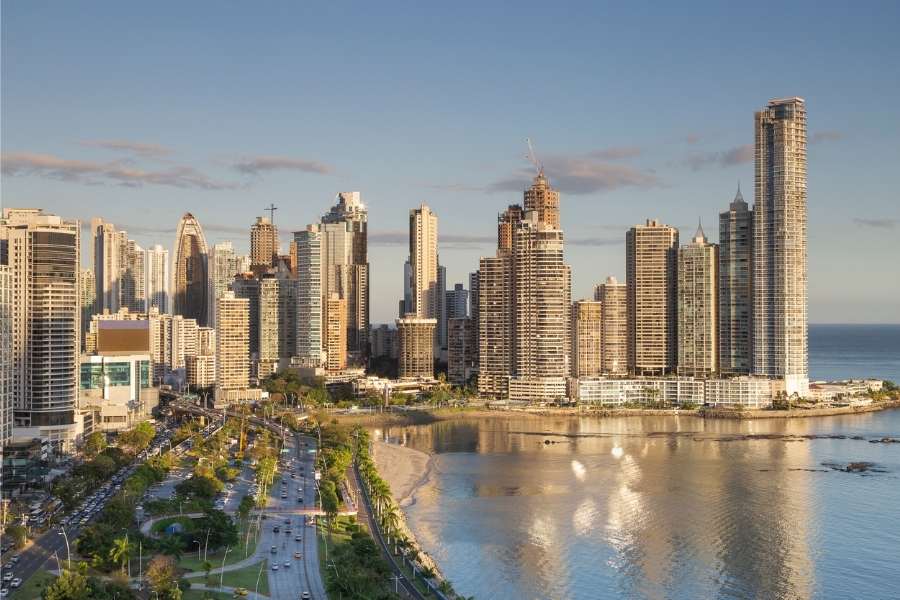
Panama has a fully dollarised economy, property inventory at nine-year lows and rental prices that have risen steadily for over 18 months. The Qualified Investor Visa grants permanent residency for a US$300,000 real estate investment.
The World Bank projects growth of 3.8% in 2026 and 4.3% in 2027, as cited in the guide. Rules change, so confirm with a local adviser.
The guide (Grayce Tan, 11 August 2026) says Aruba has no restrictions on foreign ownership, freehold or leasehold, and describes one of the most transparent and accessible real estate frameworks in the region.
They are part of the Kingdom of the Netherlands with Dutch-influenced legal systems, a degree of political stability, and Bonaire and Curaçao sit outside the hurricane belt.
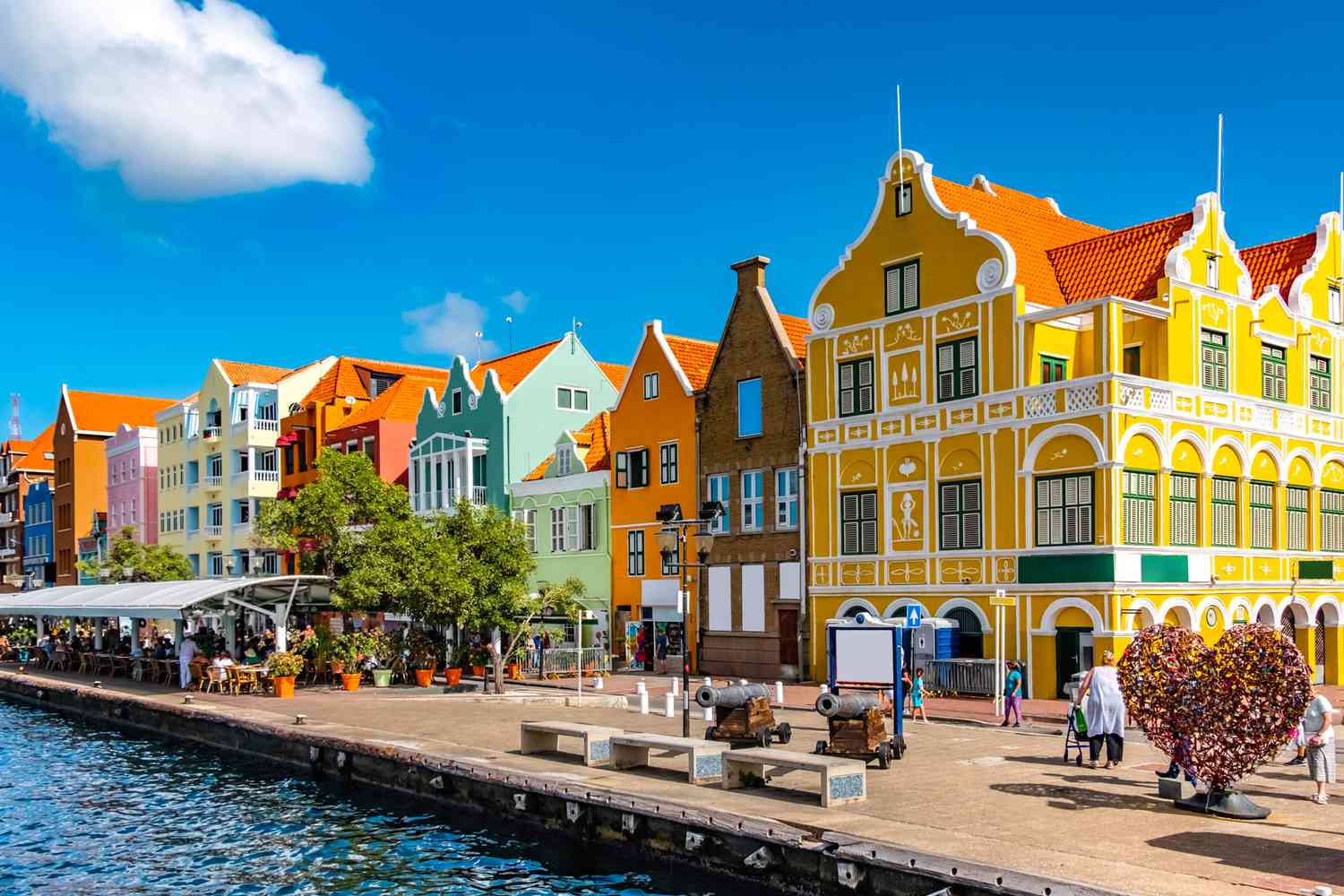
Bonaire is a special municipality of the Netherlands that uses the US dollar, with North American buyers a significant share of visitors. Curaçao had a record 2025 for international tourism and air traffic, and Willemstad's waterfront is UNESCO-listed.
The island is shared between Dutch and French jurisdictions, with excellent air connectivity to North America and Europe and a notably favourable tax environment for property owners on the Dutch side. The guide gives no rates, so seek local tax advice.
The article (Grayce Tan, 11 August 2026) reports industrial rents up 23.3% year on year to about USD 18 per sq ft, and retail rents about AED 273 per sq ft (around USD 74), up 18.3% annually.
Office leasing volumes rose 6.5% quarter on quarter with average rents easing slightly to AED 205 per sq ft (about USD 56). Villa values were AED 2,339 per sq ft (around USD 637), up 7.7% year on year, outperforming apartments.
Over 5.4 million sq ft of new Grade A warehouse space is due over the next two years.
The article cites tourism, population growth and constrained supply, with short-term regional uncertainty making buyers and occupiers more selective. The full Q2 2026 report is at reports.chestertonsmena.com.
The guide (Grayce Tan, 19 August 2026) says foreign buyers hold property on the same legal footing as Dominican citizens, and a qualifying real estate investment of at least US$200,000 opens a fast-track route to permanent residency.
Average gross yields of 7.12% a year before Q3 2025, 7.78% in Q3 2025 and 8.53% in Q1 2026. Yields vary by property and location.
Punta Cana, Bávaro, Cap Cana, central Santo Domingo, Santiago and Las Terrenas, with pockets of activity in Puerto Plata, Sosúa and Cabarete.
GDP grew 5.1% in 2024, FDI reached US$5,032.3M by year-end 2024, and visitors reached 11.8M in 2025 with 12.5M projected for 2026. Tourism contributes 16.5% of GDP.
The article (Grayce Tan, 24 August 2026, quoting Chestertons Romania CMO Costin Rusu) describes quiet stabilisation rather than dramatic movement. Q2 2026 transactions were 150,257 nationally, up 0.28% on Q2 2025.
Individual residential unit transactions rose about 2.2% year on year in April, 15.9% in May and over 26% in June, with 10,398 transactions of all types in June 2026.
Average gross residential yield was about 6% in H1 2026 versus about 6.5% a year earlier. Small apartments in established Bucharest districts generally yield 6% to 7.5% and Cluj-Napoca about 4% to 5%.
Standard VAT of 21% was introduced on 1 August 2025. The transitional 9% rate for one qualifying residential purchase ran until 31 July 2026, subject to conditions including a 120 m² maximum and a RON 600,000 maximum value.
Higher taxation, property tax reform discussions, inflation and financing costs. Commercial investment in Q2 2026 was about EUR 102 million, down 54% year on year.
The article (Grayce Tan, 28 August 2026) says Bucharest is remarkably affordable by Western European standards, with English-medium schools including the American International School of Bucharest and the Cambridge-curriculum International School of Bucharest.
Gross rental yields in main urban centres are 6% to 8%, versus an EU average of roughly 3% to 4%, with entry prices well below Warsaw or Prague. Yields vary by property.
Romania has been an EU member since 2007, giving Bucharest residents Schengen free movement and an EU residency pathway, and it has a digital nomad visa. Confirm current rules with a local adviser.
Bucharest's northern suburbs (Floreasca, Herăstrău, Dorobanți and the Pipera corridor), Brașov near the Sinaia and Poiana Brașov ski resorts, the Black Sea coast from Constanța to Mamaia, and Cluj-Napoca, the most expensive market.
The article (Grayce Tan, 4 September 2026, price data from Idealista) gives an average of €5,906/m², 4.5% above June 2025 and 0.7% above March 2026.
Annual growth fell from 10.4% in June 2025 to 4.5% in June 2026, according to the article.
International buyers made 37.01% of residential purchases in Málaga Province in Q2, second in Spain behind Alicante. British buyers were Spain's largest foreign group with 1,843 transactions, followed by Dutch buyers with 1,830.
Sierra Blanca, Cascada de Camoján, the Golden Mile and Marbella East. Marbella is the most expensive of the Costa del Sol's core municipalities on the broad asking price measure.
The guide (Grayce Tan, 10 September 2026) says none of Anguilla, the British Virgin Islands or Turks and Caicos levies income, capital gains or inheritance tax on individuals. Confirm with a local adviser.
Stamp duty on developed property was cut from 12.5% to 5% and on undeveloped land from 12.5% to 6.25%, first introduced in 2017 and extended in December 2024. Foreign buyers can get freehold through an Alien Landholding Licence process.
Over 356,000 business companies were on the register at end-2025, 2,221 investment funds were registered at 31 December 2025, and visitor arrivals reached 1.09 million in 2024, a post-hurricane record.
It has a Torrens-style title system where title is acquired only on registration, over 80% of buyers are foreign nationals mainly from North America, and tourism accounts for close to half of GDP.
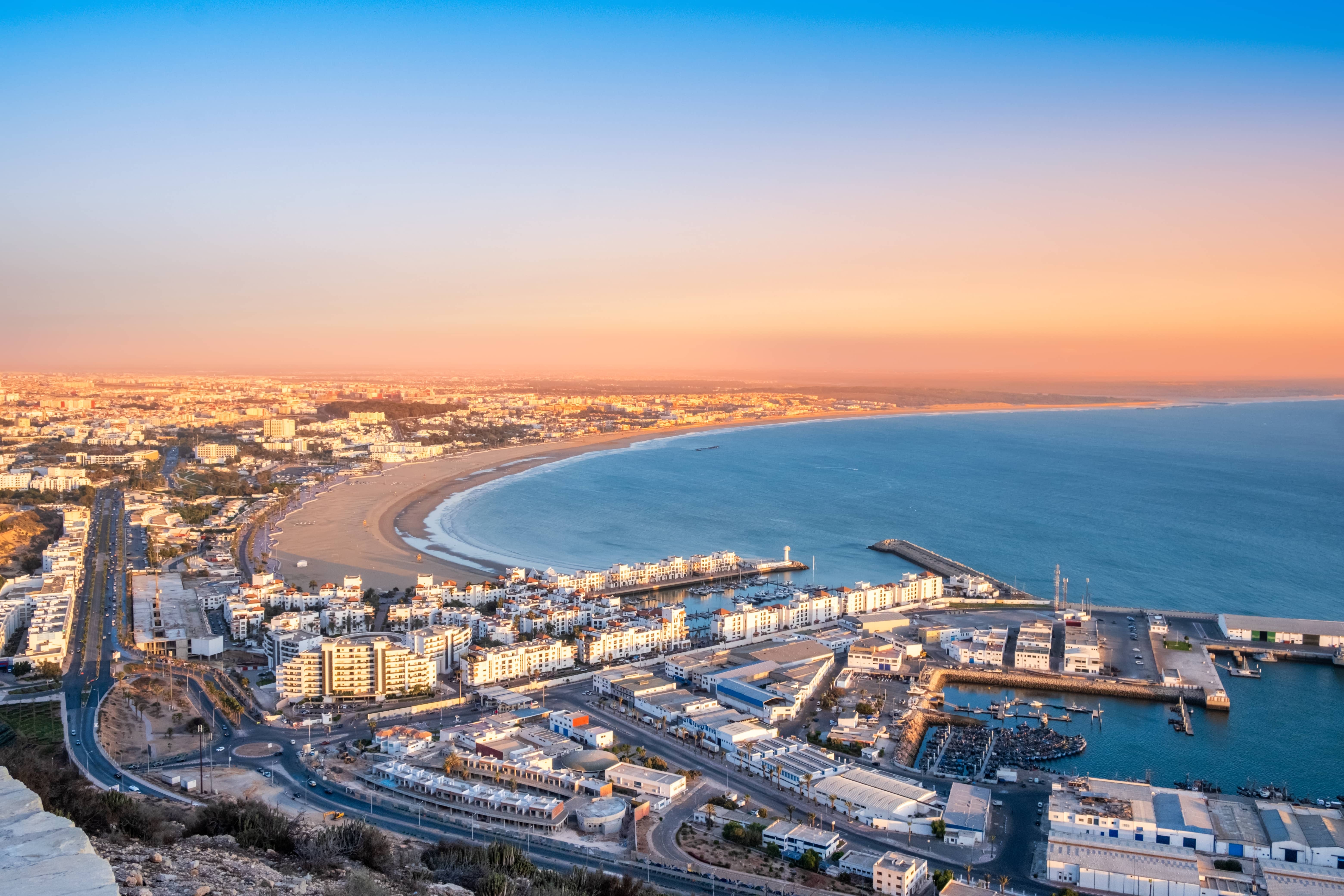
The article (Grayce Tan, 14 September 2026) says there are no nationality-based restrictions or quotas on apartment ownership, so foreigners can own urban residential property outright. Confirm with a Moroccan adviser.
An average gross rental yield of 8.25%, with one-bedroom units performing particularly well. Hivernage and Gueliz are popular with international short-term rental buyers.
In 2025 transaction volumes rose 24.1% and prices 1%; in Q1 2026 prices fell 1.5%, the smallest fall among Morocco's four major tracked cities. Prime residential prices are up 16% since 2023 (Knight Frank with Stella Gallery).
Visitor arrivals of 4.3 million in Q1 2026 (up 7%), a 2030 target of 26 million visitors linked to the FIFA World Cup, and infrastructure including airport expansion and high-speed rail.
An average mortgage rate of 5.13% in Q1 2026 and a projected 2% to 5% national price increase this year from the National Federation of Real Estate Developers.
The article (Grayce Tan, 21 September 2026) reports six straight yearly price rises since 2021, with the latest rise of 15% in February 2026 attributed to energy-sector factors.
Properties above TT$4 million saw demand up 54% year over year, concentrated in the established western corridor.
Buyers come from the UK, Canada and the wider Caribbean diaspora for vacation homes, rental investment and retirement. Beachfront and ocean-view villas are among the most sought-after.
No. The article gives no ownership, tax or residency details, so speak to a local adviser.
The guide (Grayce Tan, 30 September 2026) cites industry forecasts of about US$93.95 billion in 2024, US$97.7 billion in 2025 and past US$105 billion by 2027.
Gross yields in the Kingston-St Andrew corridor of about 6% to 7%.
Diaspora remittances, mostly from the US and UK, are roughly 20% of GDP, and tourism employs over 300,000 people and accounts for about 30% of GDP. There were 4,822 new mortgage accounts worth J$82.9 billion in 2024, up 12.8%.
The article says the hurricane struck in late 2025 and describes reconstruction as well underway. It does not cover ownership rules, taxes or residency.
The guide (Grayce Tan, 7 October 2026) says EU/EEA buyers can buy on the same footing as Bulgarian nationals. Non-EU buyers can own buildings and apartments but cannot hold land in their own name under Article 22 of the Constitution, so a Bulgarian company is typically used for land.
Bulgaria became the 21st euro area member on 1 January 2026, at a fixed rate of BGN 1.95583 per euro.
Mortgage rates of about 2.5% to 3%, reported as among the lowest in the EU, and a flat 10% personal income tax.
Housing prices rose more than 15% year on year in Q4 2025, led by Sofia, where high-quality residential complexes exceed €2,300 to €2,500 per m². Global Property Guide sees slowing growth in single digits for 2026.
Yes. The guide (Grayce Tan, 15 October 2026) says both are overseas departments of France and the EU, and French law, French property rights and French institutional protections apply in full.
It is recognised as an Ultra-Peripheral Region of the EU, with the seventh-highest per-capita income in the Caribbean (World Bank 2024), around one million visitors in 2023 and demand concentrated around Fort-de-France, Les Trois-Îlets and southern coastal communities.
Guadeloupe has five islands (Basse-Terre, Grande-Terre, Marie-Galante, Les Saintes and Désirade) and an economy of about €10 billion in 2024 based on tourism, agriculture and public services.
No. The guide does not cover ownership rules for foreign buyers, taxes, residency or prices, so seek local advice.
The guide (Grayce Tan, 21 October 2026) says qualification starts at US$325,000 for a share in a government-approved development and US$600,000 for a single-family private home, with investments held for a minimum of seven years.
St Kitts and Nevis established the world's first Citizenship by Investment programme in 1984, and the guide says it ranked number one in the CBI Index for five consecutive years, per a cited source.
Dominica's programme was established in 1993, with qualifying real estate from US$200,000 focused on eco-luxury resorts and boutique hospitality. Rental returns on qualifying properties typically run 2% to 7% annually, and a new international airport is due to open in 2027.
No. It does not state ownership rules, taxes or residency requirements, and programme terms change, so confirm with a licensed adviser.
The article (Grayce Tan, 24 September 2026) names him Executive Chairman of Rahim & Co | Chestertons, who founded Rahim & Co International in 1976; it now has 23 offices across Malaysia.
On 22 September 2026 he received the World Distinguished Real Estate Entrepreneur Lifetime Achievement Award in London, organised by the World Business Forum.
He is a Fellow of RICS (1976) and RISM, has been president of RISM, FIABCI Malaysia and the Asia Pacific Real Estate Federation, and was the first Malaysian elected Deputy World President of FIABCI (1990 to 1992).
An Honorary Doctorate in Real Estate from Universiti Malaya (2018), Senator of Malaysia from 2010 to 2016, and the Tan Sri title conferred in 2014.
The article (Mike Nicholls, Chestertons Gibraltar, 1 October 2026) says the minimum net wealth was raised from £2 million to £5 million, confirmed by the Government of Gibraltar on 18 June 2026, and the application fee rose from £1,233 to £5,000. Existing holders are grandfathered.
Liability is capped on the first £118,000 of assessable income, giving an annual bill of roughly £37,000 to £42,380. The article states no tax on capital gains, inheritance or wealth. Confirm with a Gibraltar adviser.
369 individuals in July 2026, the highest in the published series since 2012 and above the prior peak of 359 in May 2022.
Since 15 July, UK-EU Treaty arrangements removed routine immigration checks and physical barriers at the land border. Queensway Quay is achieving about £12,000 per square metre, and Nicholls says top-end supply, not demand, is the constraint.
The article (Grayce Tan, 6 October 2026) says MOD Realty | Chestertons won Gold in the Real Estate Company category at the Best of Cayman Islands 2026 awards, after winning Silver in 2025.
Compass Media produces the awards and public votes decide the winners. The top-voted nominee in each category receives Gold and the runner-up receives Silver.
Founder and broker Athena Nicole Smith and her team. Agent Stephanie Foster won Silver in the Real Estate Agent category.
George Town, Grand Cayman. It was founded in 2019 and joined the Chestertons Global network in June 2026.
The Q&A (Kaiya Patel, 12 October 2026) with Faisal Sarfraz, CTO of DevsSpace, describes DEXA as an AI-powered sales layer for luxury property sites that behaves like a seasoned investment analyst.
The Institutional-Grade Insights pillar shows rental yield projections, price-per-area figures, ROI drivers and risk assessments.
The Predictive Asset Matching pillar uses real-time visitor interactions to suggest properties.
The article says it covers overnight investor queries across time zones and languages.
The article (Grayce Tan, 15 October 2026) says agency owners often make major decisions alone and presents the Chestertons Global network as a way to share that load.
A YouGov survey for the British Business Bank found 44% of smaller UK business owners have felt lonely or isolated, and Huntington Bank's 2026 Beyond Business Report found nearly half of business owners seek advice from other owners or colleagues.
Affiliates are fully independent, the network takes no share of revenue and does not direct operations. Some affiliates trade under the Chestertons name and others as dual brands.
Marketing support, monthly online meetings and an annual conference. Chestertons Global Conference 2026 runs 15 to 17 October in Paphos, Cyprus, under the theme Connecting Markets. Creating Opportunities.
The article (Grayce Tan, 8 July 2026) says that from 15 July 2026 physical checks and barriers at the land crossing are set to be removed under the new UK-EU treaty. About 15,000 people cross daily for work.
No. Schengen-style rules apply at the land frontier, with checks moving to Gibraltar's airport and seaport where Spanish officials will carry out Schengen-related checks. Immigration, policing and justice remain under Gibraltar's control.
Text finalised in December 2025, draft published 26 February 2026 and cleared by EU member states on 1 April 2026.
Mike Nicholls says living in Spain historically offered little tax advantage until salaries reached about €40,000 to €45,000, and this could rise to around €60,000 if Spain applies Article 7(p), which is not yet formally confirmed. Non-Spanish nationals moving tax residence from Spain generally remain subject to Spanish tax for four years. Seek tax advice.
The article (Kaiya Patel, 22 April 2026) says the event runs 8 to 10 May 2026 at ExCeL London, One Western Gateway, Royal Victoria Dock, London E16 1XL.
The article directs readers to the official A Place in the Sun website for a priority consultation.
Spain, Montenegro, Cyprus, Bermuda, Morocco and Portugal. For example it cites Cyprus rental yields of 4% to 6% in Limassol and Larnaca in 2026, and a Moroccan $41 billion infrastructure spend linked to the 2030 FIFA World Cup.
Europe price growth is expected to average 4.3% this year, per an S&P Global source cited in the article.
The guide (Grayce Tan, 23 October 2026) says foreign buyers can purchase residential property with minimal restrictions.
The guide states there is no income tax, capital gains tax or inheritance tax, and the Bahamian dollar is pegged 1:1 to the US dollar. Confirm with a local adviser.
It requires a minimum property investment of US$1 million, up from US$750,000 in January 2025, extends to family members and offers accelerated three-week processing above US$1.5 million.
Nassau and Paradise Island form the commercial and residential core, while the Family Islands (Eleuthera, Abaco, Long Island) draw buyers seeking lower-density living and land.
Americans account for about 35% of foreign real estate purchases and Europeans close to 30% of the luxury market. Home values rose nearly 12% year over year in 2025, and the Bahamas welcomed 12.5 million visitors in 2025.
The article (Grayce Tan, 2 July 2026) says Mike Nicholls, CEO of Chestertons Gibraltar, raised £14,300 for the charity Alabaré, which supports veterans experiencing or at risk of homelessness.
An overnight outdoor fundraiser held at St Paul's Cathedral, London, with over 100 participants. Nicholls was the evening's highest individual fundraiser.
The evening opened with Evensong and a concert by the Salisbury Military Wives Choir. A thunderstorm at about 4:30am soaked participants, who were then invited to a breakfast reception at Mansion House hosted by Lady Mayoress Dame Susan Langley.
Yes. The article says two veterans who spoke at the event had previously helped restore Lord Airey's Battery on the Rock through Alabaré's rehabilitation programme.
The article notes that the Chestertons Foundation supports homelessness and rough sleeping initiatives.
Popular in Market Insights